






















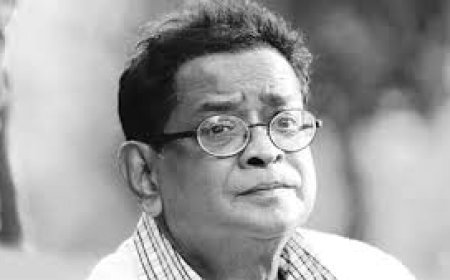
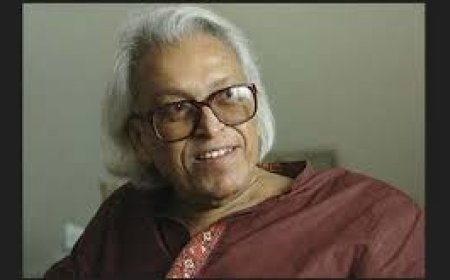



Zillur Rahman: The rise and fall of political life and the chapter of presidency
Explore Zillur Rahman’s political rise, presidency, and constitutional legacy, examining leadership, reforms, and debates within Bangladesh’s evolving democracy.

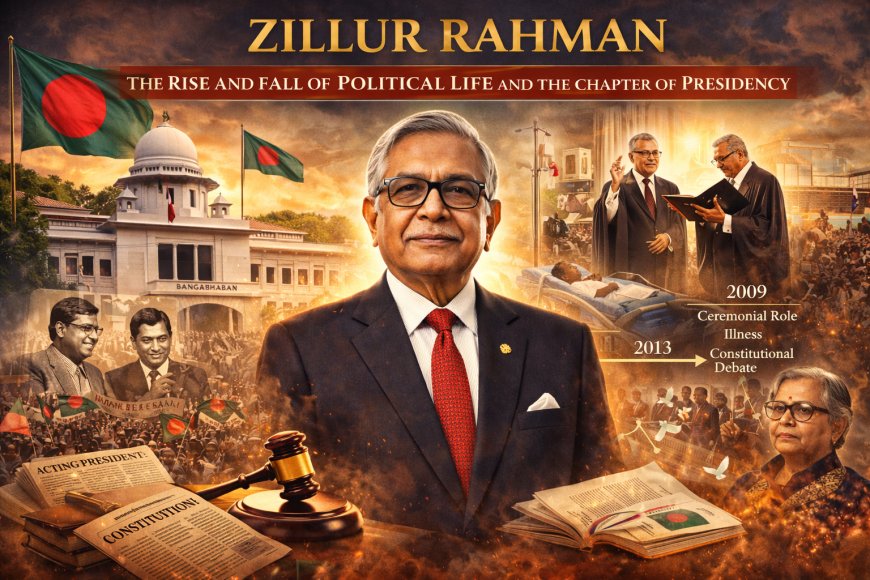
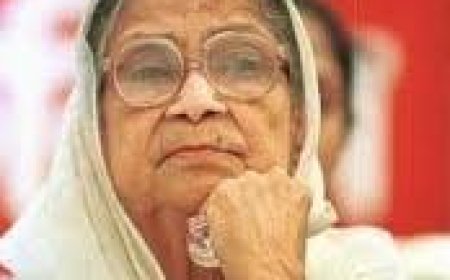
In the story of Bangladesh’s political evolution, some figures rise quietly through decades of activism before stepping into the highest constitutional office. Zillur Rahman was one such leader. A seasoned politician shaped by the turbulence of Pakistan era politics, the Liberation War of 1971, and post independence parliamentary struggles, he eventually became the 19th President of Bangladesh.
His life reflected both resilience and adaptation. From grassroots activism to senior leadership within the Awami League, his political journey mirrored Bangladesh’s own transformation. When he assumed the presidency in 2009, the nation was navigating post caretaker government recovery, constitutional amendments, and renewed debates over democratic direction.
Yet his presidency was marked not only by authority but also by fragility. Illness, absence, and questions about constitutional continuity added layers of complexity to his term. Understanding Zillur Rahman’s rise and the closing chapter of his presidency invites broader reflection on leadership endurance, institutional design, and the human dimensions behind political office.
Personal Information Table
| Field | Information |
|---|---|
| Full Name | Zillur Rahman |
| Nickname | Not widely known |
| Father Name | Meher Ali Miah |
| Mother Name | Not publicly documented |
| Son & Daughter | 1 son, 1 daughter |
| Date of Birth | 9 March 1929 |
| Place of Birth | Bhairab, Kishoreganj District, Bengal Presidency, British India |
| Height | Not publicly documented |
| Color | Not publicly documented |
| Life Partner | Ivy Rahman |
| Marriage | Married |
| Assets | Not publicly disclosed |
| Education | University of Dhaka |
| Profession | Politician |
| Position | President of Bangladesh |
| Title | Former President |
| Company | Government of Bangladesh |
| Business | Public Service |
Unpacking the Layers of Zillur Rahman: The Rise and Fall of Political Life and the Chapter of Presidency
Zillur Rahman built his political identity during some of the most defining chapters of Bangladesh’s history. Active in the Awami League during the Pakistan period, he was imprisoned multiple times and played a role in the political mobilization leading up to the Liberation War.
After independence, he remained a significant political figure, serving in parliament and holding party leadership positions. His election as President in 2009 symbolized recognition of long standing loyalty and experience within the ruling party. According to Encyclopaedia Britannica and Banglapedia, his presidency occurred during a period of constitutional reform, including amendments that reshaped governance frameworks.
As President, his role was largely ceremonial within Bangladesh’s parliamentary system. Yet ceremonial leadership carries symbolic weight. He presided over parliamentary functions, state ceremonies, and diplomatic engagements, projecting continuity and stability.
However, prolonged illness during the latter part of his tenure created practical challenges. His medical treatment abroad raised constitutional questions about absence and acting authority. This dimension of his presidency highlights the intersection of personal health and institutional continuity, a rarely discussed but vital aspect of governance.
Navigating the Challenges and Debates
Zillur Rahman’s presidency unfolded during a politically dynamic era. The abolition of the caretaker government system through constitutional amendment stirred intense national debate. While executive authority lay primarily with the Prime Minister and cabinet, the President’s assent to legislation carried constitutional significance.
Some critics argued that the presidency appeared closely aligned with the ruling party, raising questions about non partisan representation. Supporters countered that Bangladesh’s parliamentary structure limits presidential intervention and requires adherence to executive advice.
His extended medical absence abroad also triggered legal and procedural discussions. What mechanisms ensure continuity when a head of state is unable to perform duties? The Constitution provided for acting arrangements, yet the situation underscored the need for clarity in extraordinary circumstances.
These debates reflect broader questions about institutional resilience, health transparency in public office, and the expectations citizens place on symbolic leadership roles.
Real World Echoes: Case Studies and Applications
Zillur Rahman’s political life offers a case study in long term party activism culminating in constitutional office. His trajectory demonstrates how sustained grassroots engagement can translate into national recognition.
Another important dimension is the constitutional management of presidential incapacity. During his illness, acting responsibilities were carried out in accordance with legal provisions, preserving institutional order. Scholars often point to such situations when discussing succession planning in parliamentary democracies.
His life also reflects the intertwining of political legacy and personal history. His spouse, Ivy Rahman, was herself a political activist whose tragic death in a 2004 grenade attack deeply affected the national psyche. This personal context shaped public perception of his leadership.
Comparatively, parliamentary systems worldwide face similar challenges when ceremonial heads of state confront health crises. Bangladesh’s experience during this period offers instructive lessons in procedural continuity and constitutional adherence.
Conclusion
Zillur Rahman’s rise from political activism to the presidency illustrates the endurance of leadership forged through decades of struggle. His term embodied both symbolic authority and human vulnerability. While debates about political alignment and constitutional reform continue, his life underscores the importance of continuity, loyalty, and institutional respect within a parliamentary democracy. Reflecting on his chapter encourages deeper understanding of how personal narratives and national governance intersect.
For professionally written biographies and in depth historical profiles, contact https://biography.com.bd/ and preserve legacies with accuracy and care.
Q&A Section
1. What was Zillur Rahman’s role in Bangladesh’s early political history?
He was an active Awami League leader during the Pakistan era and was involved in political mobilization leading up to independence. His long career included imprisonment and senior party leadership.
2. What characterized his presidency?
His presidency from 2009 to 2013 was largely ceremonial under Bangladesh’s parliamentary system. It coincided with constitutional amendments and governance reforms.
3. How did his illness impact governance?
Prolonged illness required constitutional provisions for acting authority, raising discussions about institutional continuity and health transparency in public office.
4. Where can readers learn more about Bangladesh’s constitutional structure?
Authoritative sources include:
-
Encyclopaedia Britannica
-
Banglapedia
-
Official Constitution of Bangladesh
These resources provide comprehensive context for understanding presidential roles and constitutional development.
What's Your Reaction?
 Like
0
Like
0
 Dislike
0
Dislike
0
 Love
0
Love
0
 Funny
0
Funny
0
 Angry
0
Angry
0
 Sad
0
Sad
0
 Wow
0
Wow
0