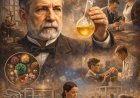





























Marie Curie: The Life of a Nobel Laureate Woman Scientist
Explore the inspiring life of Marie Curie, Nobel Laureate and pioneering woman scientist. Discover her achievements, challenges, legacy in medicine, and lasting impact on science and society.

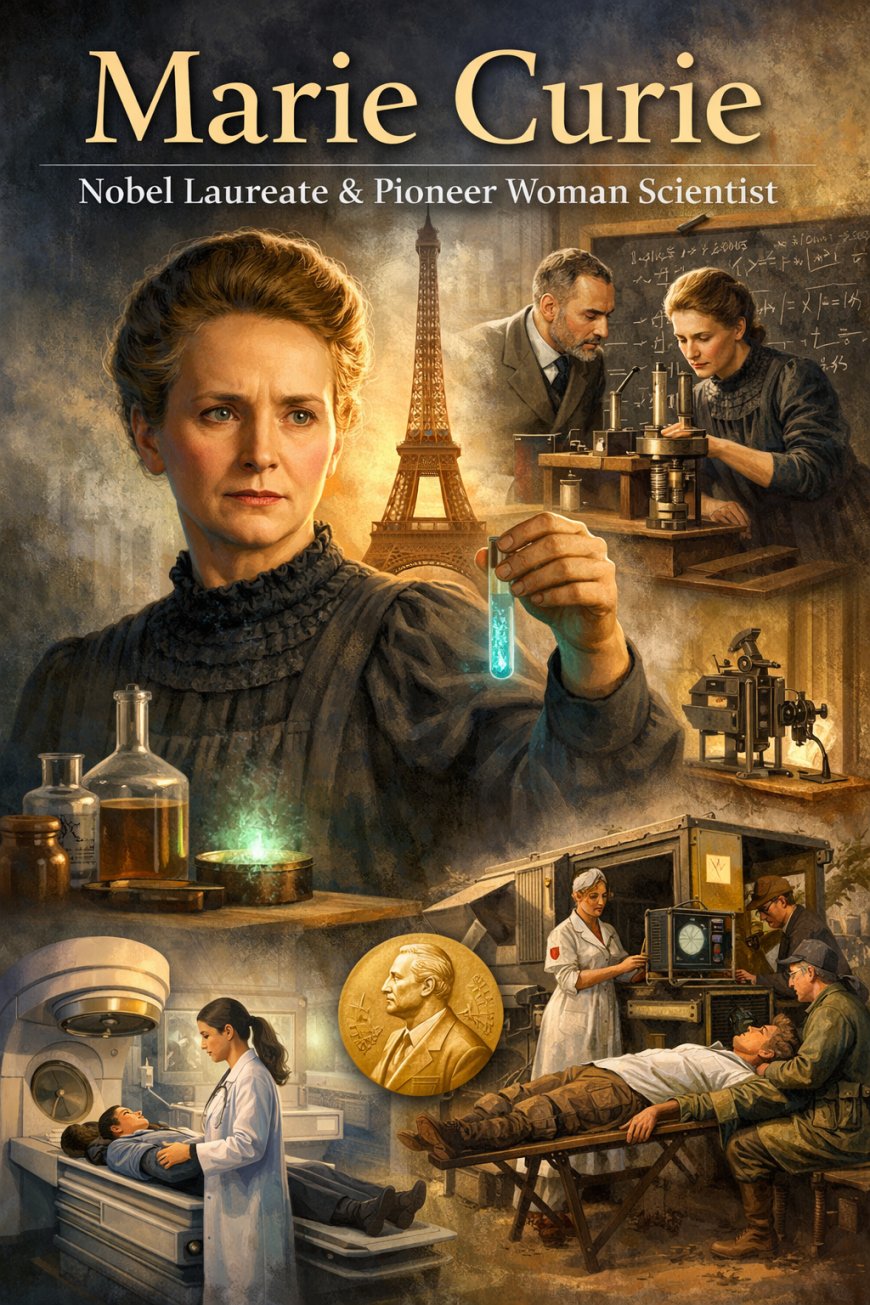
In an age defined by innovation, medical breakthroughs, and expanding opportunities for women in science, the story of Marie Curie feels as relevant as ever. Her name is etched into laboratories, textbooks, and research institutions across the globe. Yet beyond the iconic image of a woman hunched over glowing test tubes lies a narrative rich with perseverance, intellectual brilliance, and profound societal impact.
Born in 1867 in Warsaw during a time when Poland was under Russian rule, Marie Curie rose from modest beginnings to become one of the most celebrated scientists in history. She achieved what few have before or since, winning two Nobel Prizes in two different scientific fields. Today, as conversations around gender equality in STEM intensify and scientific collaboration drives global progress, Curie’s life offers both inspiration and complexity.
Her work reshaped physics and chemistry, while her legacy continues to influence medicine, education, and the broader role of women in academia. But like many pioneers, her journey was not without controversy, hardship, and difficult questions about the cost of discovery. Understanding Marie Curie means exploring not only her triumphs but also the nuanced reality of a life lived at the edge of scientific possibility.
Unpacking the Layers of Marie Curie: The Life of a Nobel Laureate Woman Scientist
Marie Curie, born Maria Skłodowska, began her academic journey in secret. In Russian-controlled Poland, women were barred from higher education, so she attended underground classes before moving to Paris. At the University of Paris, she studied physics and mathematics, often living in poverty while pursuing her degrees.
Her partnership with Pierre Curie led to groundbreaking work on radioactivity, a term she coined. Together they discovered polonium and radium, isolating elements that would transform scientific understanding. In 1903, she shared the Nobel Prize in Physics with Pierre Curie and Henri Becquerel. Later, she won the 1911 Nobel Prize in Chemistry for her work on radium and polonium.
Marie Curie’s contributions extended far beyond academic research. During World War I, she developed mobile radiography units to assist battlefield surgeons, an innovation that saved countless lives. Her scientific papers and laboratory methods continue to influence modern nuclear physics and oncology.
For deeper exploration, readers can consult resources from the Nobel Prize official site at https://www.nobelprize.org and historical archives from the Smithsonian Institution at https://www.si.edu.
Navigating the Challenges and Debates
Marie Curie’s achievements unfolded against significant personal and societal barriers. As a woman in science during the early twentieth century, she faced skepticism, institutional bias, and limited professional opportunities. Her Nobel Prize nominations were initially contested, and her appointment as a professor met resistance in male-dominated academic circles.
Ethical questions also surround her work with radioactive materials. At the time, the dangers of radiation exposure were not fully understood. Curie handled radium without the protective measures that exist today, contributing to health issues that later affected her and others in the field. The tragedy of the radium dial workers in the 1920s underscored the long-term risks of radiation exposure, prompting stricter safety standards.
There were also personal controversies. Following Pierre Curie’s death, her relationship with physicist Paul Langevin attracted intense media scrutiny. The episode reflected societal double standards and highlighted the pressures faced by women in public intellectual roles.
Today, discussions about responsible research, occupational health, and gender equity in STEM often reference pioneers like Marie Curie. Her story invites reflection on how scientific ambition, public perception, and evolving ethical frameworks intersect.
Real World Echoes: Case Studies and Applications
The influence of Marie Curie’s discoveries continues to reverberate in modern medicine and scientific research. Radiation therapy, now a cornerstone of cancer treatment, directly builds on her early exploration of radioactive elements. Hospitals worldwide use imaging technologies derived from principles she helped establish.
One prominent institution carrying forward her legacy is the Institut Curie in Paris. Founded in part through her efforts, it remains a leading center for cancer research and treatment. Its multidisciplinary approach embodies Curie’s belief in blending laboratory science with real world application.
Additionally, the concept of mobile diagnostic units that she pioneered during World War I foreshadowed today’s portable medical technologies, from mobile clinics in underserved regions to advanced imaging systems in emergency response units.
Beyond medicine, her life serves as a case study in resilience and international collaboration. Educational initiatives encouraging girls to pursue STEM careers frequently cite Curie as a foundational example of intellectual courage and scientific dedication. Her legacy is not static. It evolves as new technologies and research methods build upon the groundwork she helped establish.
Conclusion: A Legacy That Continues to Illuminate
Marie Curie’s life is a powerful blend of scientific rigor, personal resilience, and enduring impact. From her early struggles in partitioned Poland to her Nobel Prize triumphs in Paris, she reshaped the boundaries of possibility. Her work in radioactivity transformed physics, chemistry, and medicine, while the challenges she faced continue to inform discussions about ethics and equality in science.
To understand Marie Curie is to appreciate both the brilliance of discovery and the complexities that accompany it. Her legacy invites ongoing reflection and dialogue about innovation, responsibility, and opportunity.
If you would like expertly crafted biographies or professional writing services, feel free to contact https://biography.com.bd/ and bring your stories to life.
Q and A Section
1. Why is Marie Curie considered a pioneer in science?
Marie Curie was the first woman to win a Nobel Prize and the first person to win Nobel Prizes in two different scientific disciplines. Her discovery of polonium and radium, along with her research on radioactivity, laid the foundation for modern nuclear physics and medical radiology. More details are available at the Nobel Prize website: https://www.nobelprize.org.
2. What challenges did Marie Curie face as a woman scientist?
She encountered gender discrimination, limited educational opportunities in her home country, and skepticism within academic institutions. Media scrutiny of her personal life further complicated her public standing. Her experiences continue to resonate in contemporary discussions about gender equity in STEM.
3. How did Marie Curie’s work impact modern medicine?
Her research on radioactive elements directly contributed to the development of radiation therapy and diagnostic imaging. Today’s cancer treatments often rely on techniques that stem from her early experiments. The Institut Curie in Paris remains a leading research center advancing cancer treatment.
4. What lessons can modern scientists learn from Marie Curie’s life?
Her life illustrates the importance of perseverance, ethical awareness, and collaboration. It also serves as a reminder that scientific discovery carries responsibility. Exploring historical archives at institutions like the Smithsonian https://www.si.edu can provide additional insight into her era and influence.
What's Your Reaction?
 Like
0
Like
0
 Dislike
0
Dislike
0
 Love
0
Love
0
 Funny
0
Funny
0
 Angry
0
Angry
0
 Sad
0
Sad
0
 Wow
0
Wow
0