Scientist · Kingdom of England
John Locke
**John Locke** (1632–1704) was an English philosopher and physician widely regarded as one of the most influential thinkers of the Enlightenment. He is best known for his theories of natural rights, individual liberty, government by consent, and the social contract. His influential works, including *An Essay Concerning Human Understanding* and *Two Treatises of Government*, helped shape modern political philosophy, liberalism, and theories of education. Locke's ideas also influenced political debates surrounding constitutional government and individual freedom.
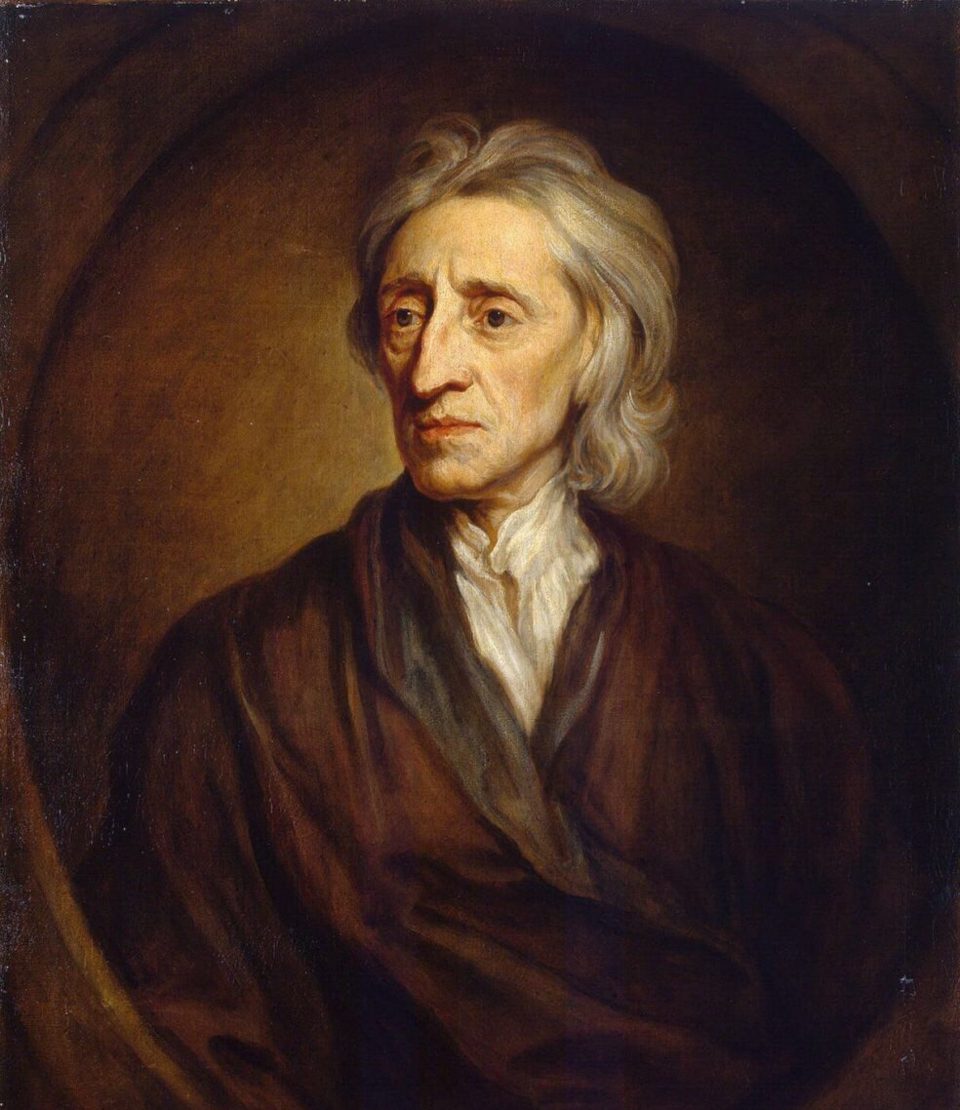 Wikimedia Commons
John Locke: Biography, Philosophical Ideas, and Legacy
Biography
1. Introduction
John Locke was an English philosopher, physician, and political theorist whose ideas played a major role in the development of modern philosophy and political thought.
He is particularly famous for his theories of natural rights, personal liberty, religious toleration, and government based on the consent of the governed. His writings challenged traditional assumptions about political authority and human knowledge.
Locke's philosophical contributions influenced the Enlightenment and later political developments, including debates about constitutional government and individual rights.
2. Early Life and Family Background
John Locke was born on August 29, 1632, in Wrington, Somerset, England.
His father, also named John Locke, was a lawyer and served as a cavalry officer for the Parliamentarian forces during the English Civil War. His mother was Agnes Keene.
Locke grew up in a Protestant family that supported Parliament during a period of political and religious conflict in England.
His early experiences took place against the background of debates about monarchy, religion, political authority, and individual freedom. These issues later became central themes in his philosophical writings.
3. Education and Academic Training
Locke attended the prestigious Westminster School in London before entering Christ Church, Oxford, in 1652.
At Oxford, he studied classical subjects, philosophy, and medicine. Although the university curriculum was heavily influenced by traditional scholastic philosophy, Locke developed an interest in modern scientific approaches.
He became familiar with the ideas of important thinkers, including René Descartes, and developed connections with scientists and intellectuals.
Locke earned a bachelor's degree in 1656 and a master's degree in 1658. He later pursued medical studies and received a Bachelor of Medicine
Did you know?
**Did You Know?** 1. John Locke is often called the Father of Classical Liberalism because of his influential ideas about individual liberty and limited government. 2. He described the human mind at birth as a blank slate, commonly known as *tabula rasa*. 3. Locke studied medicine as well as philosophy at the University of Oxford. 4. His political writings influenced the development of modern constitutional thought. 5. He spent several years in the Netherlands during a period of political tension in England. 6. His book *Some Thoughts Concerning Education* influenced later educational theories. 7. Locke argued that governments should derive their authority from the consent of the people. 8. His ideas about natural rights are frequently discussed in connection with the American Declaration of Independence.