Scientist · German Reich
Emil von Behring
**Emil von Behring** (1854–1917) was a German physiologist and physician renowned for his pioneering work in immunology and serum therapy. He developed an antitoxin treatment for diphtheria, helping transform the treatment of infectious diseases and saving countless lives. In 1901, he became the first recipient of the Nobel Prize in Physiology or Medicine for his contributions to serum therapy, particularly its application against diphtheria.
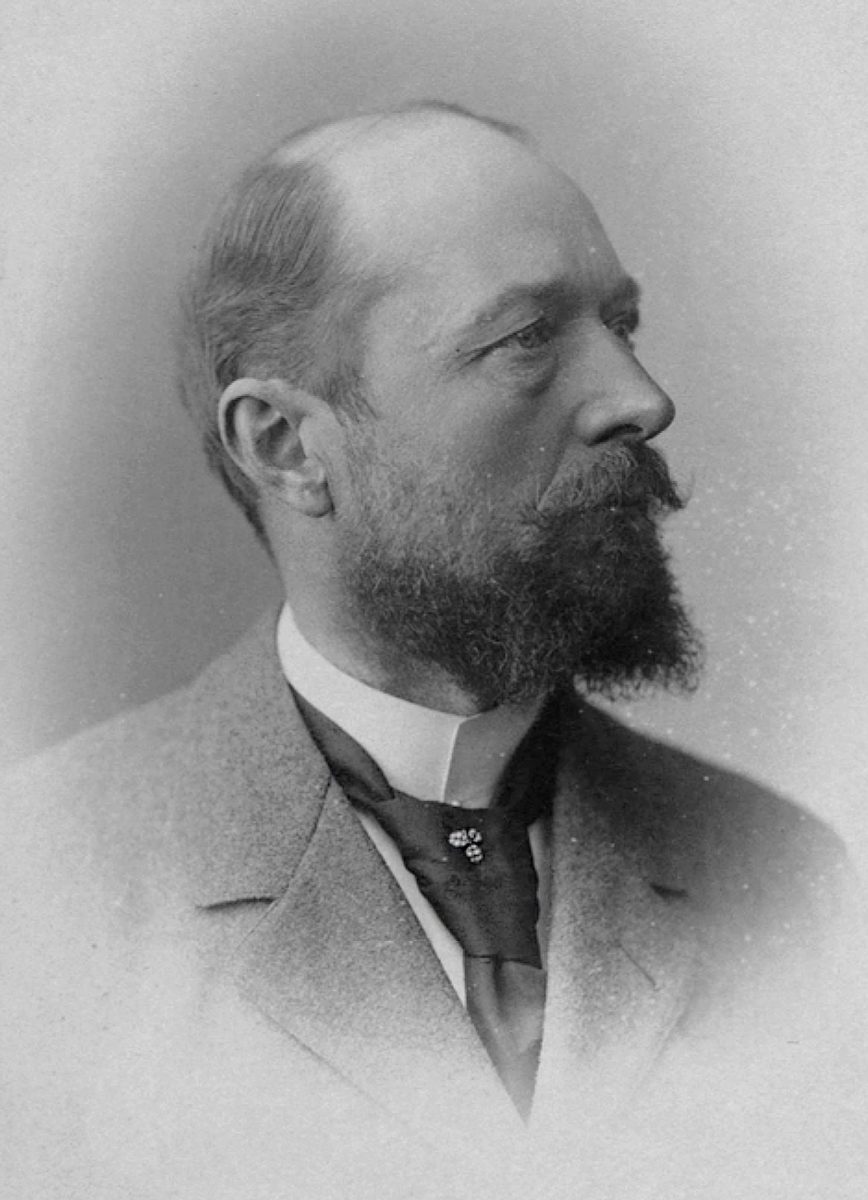 Wikimedia Commons
Emil von Behring: Biography, Discoveries, and Legacy
Biography
1. Introduction
Emil von Behring was a German physician and physiologist who played a major role in the development of modern immunology. He is best remembered for developing serum therapy against diphtheria, a serious infectious disease that caused widespread illness and death during the nineteenth century.
His research demonstrated that substances in the blood could help protect the body against bacterial toxins. This discovery laid important foundations for antibody-based treatments and earned him the first Nobel Prize in Physiology or Medicine in 1901.
2. Early Life and Family Background
Emil Adolf von Behring was born on March 15, 1854, in Hansdorf, in the former Prussian province of West Prussia, now part of Poland.
He grew up in a large family. His father was a schoolteacher, and the family had limited financial resources. Despite these circumstances, Behring showed an interest in education and pursued a career in medicine.
His early experiences and academic interests helped shape his determination to study disease and find ways to protect people from dangerous infections.
3. Education and Medical Training
Behring studied medicine at the Army Medical College in Berlin, known as the Friedrich-Wilhelm Institute. He completed his medical education in 1878.
After graduating, he served as a military physician. His medical service provided practical experience and exposed him to the challenges of treating infectious diseases.
During this period, he became increasingly interested in bacteriology, hygiene, and the body's ability to resist infection. These interests eventually led him into laboratory research.
4. Scientific Career and Research
Behring began his major scientific work during a period when researchers were discovering the role of microorganisms in infectious diseases.
He worked with leading scientists, including Robert Koch and Shibasaburo Kitasato. Their research focused on how the body could develop protection against bacterial infections and their toxins.
In 1890, Behring and Kitasato published important findings showing that the blood serum of animals immunized against certain bacterial toxins could neutralize those toxins. Their work helped establish the scientific basis of antitoxin therapy.
5. Discovery of Diphtheria Antitoxin
One of Behring's most important achievements was the development of serum therapy for diphtheria.
Diphtheria was a dangerous bacterial disease, particularly among children. It could cause severe throat infections, breathing difficulties, and potentially fatal complications.
Behring's research showed that serum from appropriately immunized animals contained substances capable of neutralizing diphtheria toxin.
This discovery led to the development of diphtheria antitoxin treatment. The treatment gave physicians a new way to combat the effects of the disease and significantly improved the prospects of patients.
His work also contributed to the development of antitoxin treatment for tetanus.
6. Nobel Prize in Physiology or Medicine
In 1901, Emil von Behring received the first Nobel Prize in Physiology or Medicine.
The Nobel Committee recognized his work on serum therapy, particularly its application against diphtheria. His achievement marked an important milestone in medical science because it demonstrated how scientific research could be translated into effective treatment.
Behring's Nobel Prize helped establish immunology and serum therapy as important areas of medical research.
7. Later Career and Institute
Behring continued his scientific work after receiving the Nobel Prize.
In 1895, he became a professor of hygiene at the University of Marburg in Germany. He conducted further research into immunity, infectious diseases, and serum-based treatments.
He also established the Behringwerke in Marburg in 1904. The organization helped develop and manufacture therapeutic sera and vaccines, contributing to the practical application of his scientific discoveries.
His work connected laboratory research with the production of medical treatments on a larger scale.
8. Personal Life
Emil von Behring married Else Spinola in 1896. They had six sons.
Although he became internationally recognized for his scientific achievements, much of his life remained devoted to medical research and the development of treatments for infectious diseases.
In 1901, he was granted the title of nobility and became known as Emil von Behring.
9. Death
Emil von Behring died on March 31, 1917, in Marburg, Germany, at the age of 63.
His death marked the end of a career that had significantly influenced the treatment of infectious diseases and the development of immunology.
10. Scientific Contributions and Legacy
Emil von Behring's contributions changed the way physicians understood and treated certain infectious diseases.
His most important contributions include:
- Helping establish the scientific foundation of serum therapy.
- Developing diphtheria antitoxin treatment.
- Contributing to early research on immunity and bacterial toxins.
- Advancing the treatment of tetanus through antitoxin research.
- Helping connect laboratory discoveries with large-scale medical production.
His research was an important step toward the modern understanding of antibodies and immune protection. Although medical science has advanced considerably since his time, his work remains an important part of the history of immunology.
11. Conclusion
Emil von Behring was a pioneering medical scientist whose research helped save lives and transform the treatment of infectious diseases. His development of diphtheria antitoxin therapy demonstrated the medical value of understanding the body's immune response.
As the first Nobel Prize recipient in Physiology or Medicine, he holds a special place in scientific history. His discoveries helped shape modern immunology and established a foundation for later advances in vaccines, antibodies, and infectious disease treatment.
Did you know?
**Did You Know?** 1. Emil von Behring received the first Nobel Prize in Physiology or Medicine in 1901. 2. His diphtheria antitoxin treatment helped reduce deaths from a disease that was especially dangerous to children. 3. He collaborated with Japanese scientist Shibasaburo Kitasato on pioneering research into immunity. 4. His research showed that blood serum from immunized animals could neutralize bacterial toxins. 5. Behring established the Behringwerke in Marburg in 1904 to help produce medical treatments. 6. He was originally trained as a military physician before becoming a leading medical researcher.