Chef · France
Paul Bocuse
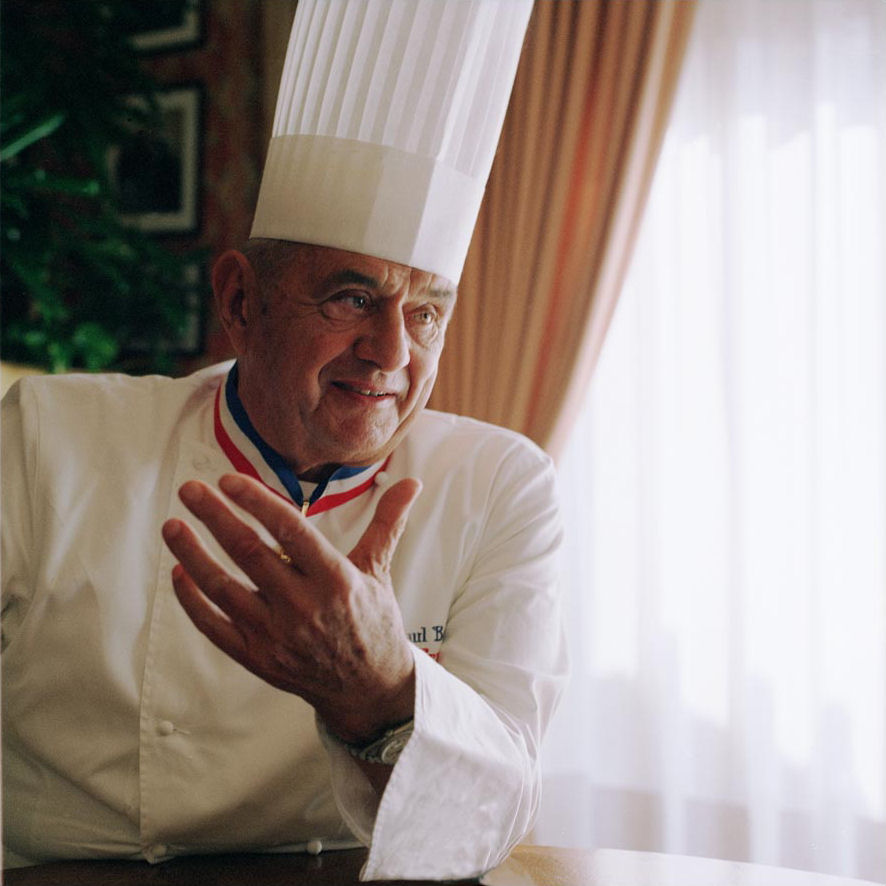
Paul Bocuse was a legendary French chef, restaurateur, and culinary innovator widely regarded as one of the most influential figures in modern French gastronomy. Born on February 11, 1926, in Collonges-au-Mont-d’Or, France, he became a leading figure in the nouvelle cuisine movement, which emphasized fresh ingredients, lighter preparations, and elegant presentation. His restaurant, L’Auberge du Pont de Collonges, earned three Michelin stars in 1965. Known affectionately as “Monsieur Paul,” he also founded the prestigious Bocuse d’Or international cooking competition in 1987. He died on January 20, 2018, leaving a lasting legacy in international cuisine.
 Wikimedia Commons
Paul Bocuse Biography
Biography
1. Introduction
Paul Bocuse was one of the most celebrated chefs in French culinary history. He helped transform the international perception of French cuisine through his cooking, restaurant leadership, teaching, and dedication to culinary traditions.
Often called “Monsieur Paul,” he became famous for combining classical French cooking with a more modern, lighter approach to food. His influence extended beyond restaurants into culinary education, international competitions, and the development of professional chefs.
Bocuse was widely associated with the nouvelle cuisine movement and became an enduring symbol of French gastronomy.
2. Early Life and Family Background
Paul François Pierre Bocuse was born on February 11, 1926, in Collonges-au-Mont-d’Or, near Lyon, France.
He came from a family with a long history in the restaurant business. His family’s culinary tradition stretched back several generations, and food preparation and hospitality were important parts of his heritage.
Growing up in this environment introduced him to traditional French ingredients, regional recipes, and the importance of welcoming guests. These early influences helped shape his understanding of cooking as both a craft and a cultural tradition.
His connection to Lyon and the surrounding region remained central to his professional identity throughout his life.
3. Early Interest in Cooking
Bocuse developed an interest in cooking at a young age. As a teenager, he began learning the profession through practical work in restaurant kitchens.
His early training was interrupted by World War II. He joined the French forces fighting against Nazi Germany and was wounded during the conflict.
After the war, he returned to professional training and continued developing the culinary skills that would eventually make him internationally famous.
The combination of traditional apprenticeship and demanding kitchen experience helped establish his disciplined approach to food.
4. Culinary Apprenticeship and Training
Bocuse trained under several respected French chefs who influenced his techniques and professional philosophy.
One of his important early mentors was Eugénie Brazier, a celebrated Lyonnaise chef known for her mastery of regional French cooking.
He later worked with Fernand Point at La Pyramide in Vienne. Point was an influential chef who emphasized the importance of high-quality ingredients, precision, and simplicity.
Bocuse also gained experience at Lucas Carton in Paris, where he further developed his understanding of French cuisine.
These apprenticeships introduced him to the principles that would define his career: technical mastery, respect for ingredients, careful preparation, and the ability to create memorable food without unnecessary complexity.
5. Returning to the Family Restaurant
In 1956, Bocuse returned to his family’s restaurant business at Collonges-au-Mont-d’Or. He gradually took on greater responsibility and began establishing his own culinary identity.
The restaurant later became known as L’Auberge du Pont de Collonges and, popularly, Restaurant Paul Bocuse.
Bocuse sought to maintain the traditions of regional French cooking while improving the quality and presentation of the dishes. His leadership helped transform the family establishment into a destination for diners seeking sophisticated French cuisine.
The restaurant became the foundation of his international reputation.
6. Michelin Stars and Restaurant Success
Bocuse's restaurant received its first Michelin star in 1958. A second followed in 1962, and the restaurant earned its third star in 1965.
Maintaining three Michelin stars for decades became one of the most remarkable achievements of his career.
The restaurant was known for its rich culinary heritage, refined techniques, and carefully prepared dishes. It attracted visitors, food writers, and professional chefs from around the world.
Bocuse's success also helped bring greater recognition to the Lyon region, which already had a strong reputation for food and traditional restaurants.
His restaurant became closely associated with his personal philosophy and commitment to French culinary excellence.
7. The Nouvelle Cuisine Movement
Paul Bocuse became one of the leading figures associated with nouvelle cuisine, a movement that influenced French cooking during the second half of the twentieth century.
Nouvelle cuisine encouraged chefs to reconsider some of the heavier preparations associated with traditional haute cuisine. It emphasized freshness, lighter sauces, shorter cooking times where appropriate, elegant presentation, and the natural flavor of ingredients.
Bocuse did not simply abandon French culinary traditions. Instead, he adapted established techniques to create dishes that felt contemporary while preserving their connection to regional cooking.
His approach helped demonstrate that French cuisine could evolve while remaining grounded in craftsmanship and respect for ingredients.
8. Signature Dishes
Bocuse created and popularized dishes that became important symbols of modern French gastronomy.
Among his best-known creations was Soupe aux Truffes VGE, a luxurious black truffle soup served beneath a pastry crust. He created it in 1975 for French President Valéry Giscard d’Estaing.
Other dishes associated with his culinary legacy include sea bass prepared in pastry, chicken cooked using traditional French techniques, and recipes featuring regional produce, cream, butter, and wine.
His cooking frequently showcased premium ingredients without allowing elaborate presentation to overshadow flavor.
These dishes helped establish Bocuse's reputation for combining classical technique with creativity and precision.
9. International Recognition
Bocuse became an international ambassador for French cuisine. He traveled extensively, met chefs from different countries, and helped introduce French culinary traditions to wider audiences.
His work contributed to the growing global recognition of professional chefs as creative leaders rather than simply kitchen workers.
He also helped establish French cuisine as an important part of international fine dining and hospitality.
His international activities included restaurant ventures, culinary events, professional exchanges, and educational initiatives.
Bocuse was particularly admired in Japan, where French culinary techniques and restaurant culture attracted considerable interest.
10. The Bocuse d’Or Competition
In 1987, Bocuse helped establish the Bocuse d’Or, an international cooking competition held in Lyon, France.
The competition brought together talented chefs who demonstrated their abilities through demanding culinary challenges. It emphasized technical skill, creativity, timing, organization, and presentation.
The Bocuse d’Or developed into one of the world's most prestigious professional cooking competitions.
It also helped promote the exchange of culinary knowledge across countries and encouraged chefs to pursue excellence through practice and innovation.
The competition remains a major part of Bocuse's legacy and reflects his belief that professional cooking should be taught, celebrated, and continually developed.
11. Culinary Education and Mentorship
Bocuse believed that knowledge should be passed from experienced chefs to younger generations.
In 1990, the institution that became the Institut Paul Bocuse was established in the Lyon area to support education in culinary arts, hospitality, and restaurant management. It later became associated with the name Institut Lyfe.
The institution reflected Bocuse's commitment to professional training and international culinary education.
He also supported initiatives designed to help young people enter the hospitality industry and develop their abilities.
His mentorship helped reinforce the importance of practical experience, discipline, responsibility, and respect for the profession.
12. Awards and Honors
Throughout his career, Bocuse received numerous honors recognizing his contributions to French gastronomy.
In 1961, he earned the title of Meilleur Ouvrier de France, a prestigious distinction awarded to highly skilled professionals in various trades.
In 1975, he received the French Legion of Honour at the rank of Chevalier. He was later promoted within the order, receiving the rank of Commandeur in 2004.
In 1989, the French gastronomic guide Gault & Millau recognized him as “Cook of the Century” and called him the “Pope of Gastronomy.”
These honors reflected his influence on professional cooking and his role in promoting French culinary culture internationally.
13. Personal Life and Family
Bocuse maintained a strong connection to his hometown and family traditions throughout his career.
He married Raymonde Duvert, and they had a daughter, Françoise. He also had a son, Jérôme, who became involved in the family’s restaurant and culinary business.
Although his professional life required extensive travel and public appearances, Bocuse remained closely associated with his family restaurant in Collonges-au-Mont-d’Or.
His identity was strongly linked to his hometown, regional cuisine, and the tradition of hospitality passed down through his family.
14. Business Ventures and Expansion
Bocuse expanded his activities beyond his flagship restaurant. He helped develop additional restaurant concepts and supported projects that introduced French dining experiences to international audiences.
In the early 1980s, he collaborated with chefs Roger Vergé and Gaston Lenôtre on Les Chefs de France at Walt Disney World in Florida.
This project helped introduce French culinary traditions to a broader American audience.
The wider Bocuse restaurant group eventually developed several dining concepts, including restaurants serving regional French dishes and contemporary interpretations of traditional cuisine.
These ventures demonstrated his ability to connect culinary heritage with international hospitality.
15. Teaching the Importance of Ingredients
A defining feature of Bocuse's cooking philosophy was his respect for ingredients.
He believed that successful cooking depended on selecting good produce, understanding the characteristics of each ingredient, and applying appropriate techniques.
His dishes often relied on the quality of meat, fish, vegetables, herbs, dairy products, and regional specialties.
Rather than making complexity an end in itself, he emphasized balance, flavor, and precision.
This philosophy influenced chefs who sought to preserve the identity of ingredients while presenting them in refined and appealing ways.
16. Influence on Modern French Cuisine
Bocuse played an important role in the evolution of modern French cooking.
His work helped make nouvelle cuisine internationally recognizable and encouraged chefs to reconsider how traditional recipes could be presented.
He also helped raise the public profile of professional chefs. Through media appearances, books, restaurant projects, and culinary events, he became a recognizable figure beyond professional kitchen circles.
His influence can be seen in the continued emphasis on ingredient quality, technical training, regional identity, and creative presentation within contemporary gastronomy.
17. Final Years and Death
Bocuse continued to be celebrated as an important figure in international gastronomy during his later years.
Despite declining health, his restaurant and professional legacy remained closely connected to the culinary world.
He died on January 20, 2018, at the age of 91, in Collonges-au-Mont-d’Or, in the same home where he had been born.
His death prompted tributes from chefs, restaurateurs, culinary institutions, and admirers around the world.
His passing marked the end of an extraordinary career, but his restaurants, competition, educational initiatives, and culinary philosophy continued to influence the profession.
18. Legacy
Paul Bocuse left a lasting legacy in French and international cuisine.
He helped modernize the presentation of French food while maintaining respect for classical techniques and regional traditions. His restaurant's long record of Michelin recognition became a symbol of sustained culinary achievement.
The Bocuse d’Or continues to celebrate professional cooking, while culinary education initiatives inspired by his work support new generations of chefs.
His influence also helped elevate the chef's role in society, presenting cooking as a profession that requires creativity, discipline, knowledge, and dedication.
19. Conclusion
Paul Bocuse was more than a celebrated restaurant chef. He was a culinary innovator, mentor, entrepreneur, and ambassador for French gastronomy.
Through his flagship restaurant, his contributions to nouvelle cuisine, and the creation of the Bocuse d’Or, he helped shape the direction of modern professional cooking.
His dedication to ingredients, technique, regional heritage, and the training of young chefs continues to inspire the culinary world. His name remains closely associated with excellence and the enduring cultural importance of French cuisine.
Did you know?
## Did You Know About Paul Bocuse? - Paul Bocuse was born on February 11, 1926, in Collonges-au-Mont-d’Or, France. - He came from a family with a long tradition of working in the restaurant business. - He trained under influential chefs Eugénie Brazier and Fernand Point. - His restaurant earned its first Michelin star in 1958 and its third in 1965. - He was a leading figure associated with the nouvelle cuisine movement. - His famous *Soupe aux Truffes VGE* was created in 1975 for French President Valéry Giscard d’Estaing. - In 1987, he helped establish the Bocuse d’Or, an internationally recognized cooking competition. - He received the title Meilleur Ouvrier de France in 1961. - In 1989, he was named “Cook of the Century” by Gault & Millau. - He was widely known by the affectionate nickname “Monsieur Paul.” - He died on January 20, 2018, at the age of 91.