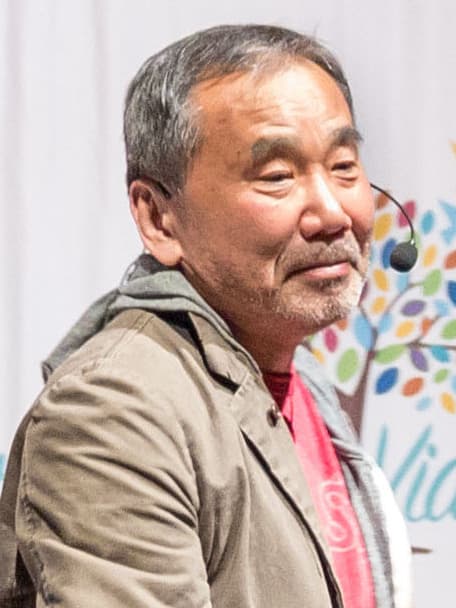
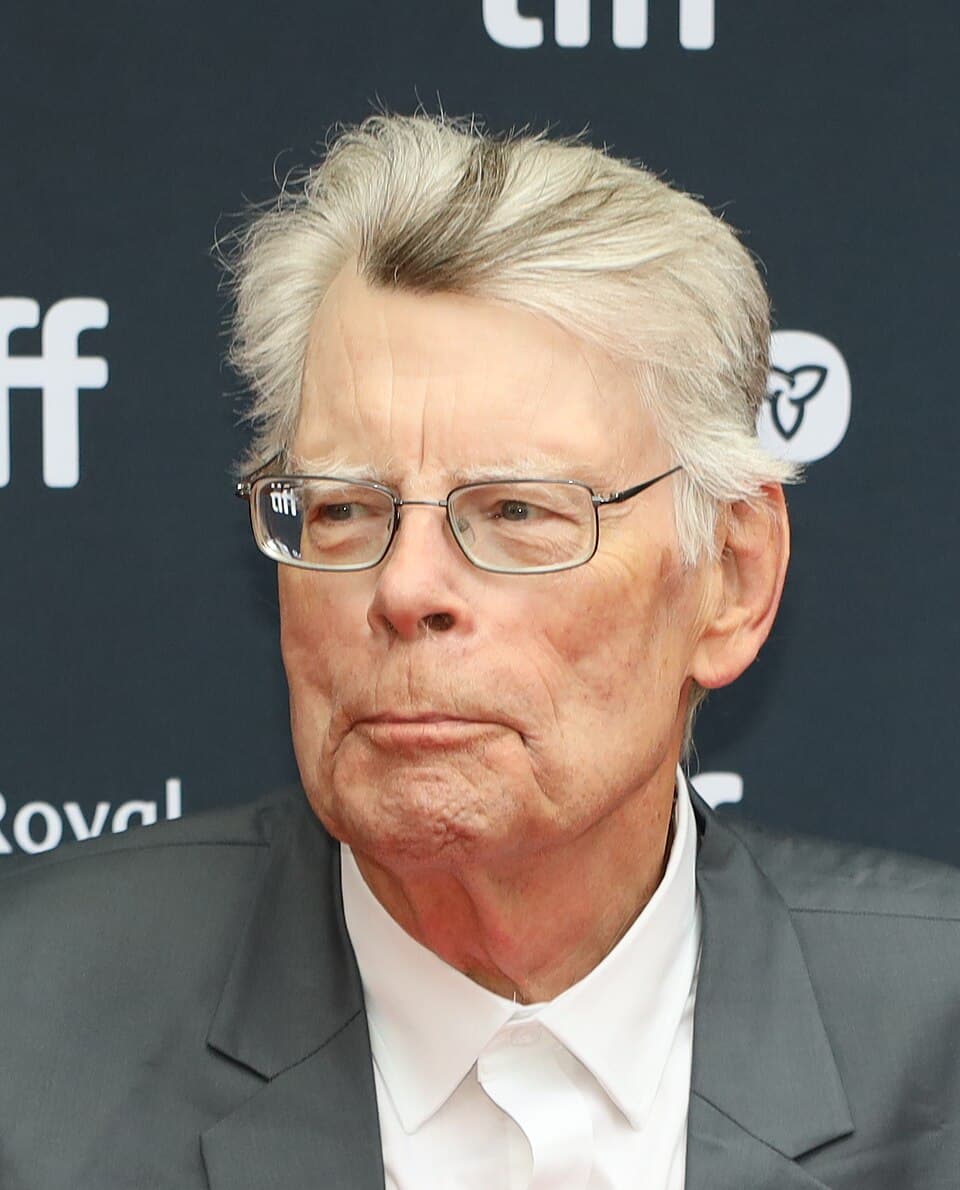
Writer · British Raj
Tariq Ali
**Tariq Ali (born 1943)** is a Pakistani-British writer, journalist, historian, filmmaker, novelist, and political activist. Born in Lahore, he studied Philosophy, Politics and Economics at Oxford University and became prominent during the 1960s as a leading figure of the New Left and an opponent of the Vietnam War. He has written extensively on Pakistan, international politics, history, and the Middle East, as well as historical novels such as *The Book of Saladin* and *Shadows of the Pomegranate Tree*.
 Wikimedia Commons
Selected bibliography
| Year | Work |
|---|---|
| 1990 | Redemption |
| 1992 | Shadows of the Pomegranate Tree |
| 1998 | Fear of Mirrors |
| 1998 | The Book of Saladin |
| 1998 | The book of Saladin (Verso, 1998) |
| 2000 | Masters of the Universe? NATO's Balkan Crusade |
| 2002 | The Clash of Fundamentalisms |
| 2003 | Bush in Babylon |
| 2005 | Rough Music: Blair, Bombs, Baghdad, London, Terror |
| 2008 | The Duel: Pakistan on the Flight Path of American Power |
| 2010 | The Obama Syndrome |
| 2011 | Kashmir: The Case for Freedom |
| 2011 | Andropov was right |
| 2015 | The Extreme Centre: A Warning |
| 2017 | The Dilemmas of Lenin |
| — | Winston Churchill: His Times, His Crimes |
| — | A Sultan in Palermo |
| — | Night of the Golden Butterfly |
| — | The Stone Woman |
| — | Uprising in Pakistan |
Biography
Tariq Ali was born on 21 October 1943 in Lahore, then part of British India and now Pakistan. He grew up in a politically active family. His father, Mazhar Ali Khan, was a journalist, while his mother, Tahira Mazhar Ali Khan, was a political activist. His family background and the political environment of Pakistan influenced his early interest in politics and public affairs.
As a young man, Ali became involved in opposition to Pakistan's military government. He later moved to Britain in 1963 to study Philosophy, Politics and Economics at Exeter College, Oxford. In 1965, he was elected president of the Oxford Union, becoming prominent in British student and political circles.
During the 1960s, Ali became associated with the international New Left and anti-war movements. He was particularly prominent in opposition to the Vietnam War and became one of the public voices of the Vietnam Solidarity Campaign in Britain. His activism during this period made him an internationally recognized political commentator.
Ali subsequently developed a long career in journalism, political writing, filmmaking, and publishing. He became associated with the New Left Review, serving as a writer and editor, and has contributed to publications including The Guardian and the London Review of Books. He also worked in television and operated the independent production company Bandung, which produced programs for Britain's Channel 4 during the 1980s.
His nonfiction writing covers political history, international affairs, imperialism, Pakistan, the Middle East, and political movements. Among his notable books are Pakistan: Military Rule or People's Power?, Can Pakistan Survive?, The Clash of Fundamentalisms, Bush in Babylon, The Obama Syndrome, The Extreme Centre, and Winston Churchill: His Times, His Crimes. His political interpretations and criticisms have been influential within left-wing political and intellectual circles, while particular arguments remain subjects of political and scholarly debate.
Ali is also a novelist. His historical fiction includes Shadows of the Pomegranate Tree, set after the fall of Granada; The Book of Saladin, presented as a fictional memoir of Saladin; The Stone Woman; A Sultan in Palermo; and Night of the Golden Butterfly. These novels combine historical settings with questions about politics, religion, culture, and human relationships.
He has also written memoirs reflecting on his political and intellectual life. Street-Fighting Years: An Autobiography of the Sixties describes his experiences during the political movements of the 1960s, while You Can't Please All: Memoirs 1980–2024 covers later decades of his life and career.
Tariq Ali has remained active as a writer and public intellectual, continuing to publish books and contribute to political and historical discussions. His career spans journalism, political activism, historical writing, fiction, film, television, and publishing, making him a prominent figure in modern British-Pakistani intellectual and literary life.
Did you know?
**Did you know?** Tariq Ali was elected **President of the Oxford Union in 1965** while studying at Oxford. He later became prominent internationally through his involvement in the 1960s New Left and Vietnam War opposition movements.