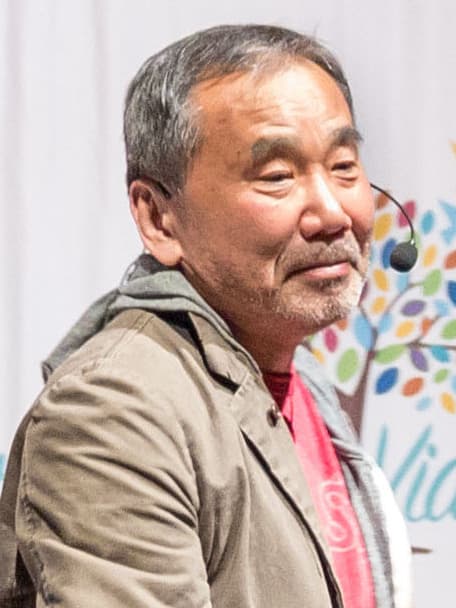
Writer · British Raj
Ramdhari Singh Dinkar
Ramdhari Singh Dinkar (1908–1974) was an Indian Hindi poet, essayist, and writer widely known for his patriotic poetry and powerful literary style. Popularly called “Rashtrakavi” (National Poet), he became an influential voice in modern Hindi literature. His celebrated works include *Rashmirathi*, *Kurukshetra*, *Urvashi*, and *Sanskriti Ke Char Adhyay*. He received the Sahitya Akademi Award, the Padma Bhushan, and the Jnanpith Award for his literary contributions. <Cite refs={["turn421794search14","turn421794search4"]}/>
 Wikimedia Commons
Ramdhari Singh Dinkar – Full Biography
Ramdhari Singh Dinkar (23 September 1908 – 24 April 1974) was a celebrated Indian Hindi poet, essayist, and author. Known by his pen name Dinkar, he earned the title Rashtrakavi, meaning “National Poet,” for his influential patriotic poetry. His writing explored nationalism, courage, social justice, Indian culture, mythology, and human relationships.
Selected bibliography
| Year | Work |
|---|---|
| 1952 | Rashmirathi |
| 1956 | Sanskriti Ke Char Adhyaya |
| 1993 | Parshuram Ki Pratiksha |
Biography
Early Life and Education
Ramdhari Singh Dinkar was born on 23 September 1908 in Simaria village, Bihar, then part of British India. He grew up in a farming family and experienced financial difficulties during his childhood.
Despite these challenges, he developed a strong interest in literature, history, politics, and philosophy. He attended school in the Mokama region and later studied at Patna College, graduating with a degree in history from Patna University.
His literary interests extended beyond Hindi to Sanskrit, Bengali, Urdu, and English literature. The works of several Indian and English poets influenced his literary development.
Beginning of His Literary Career
Dinkar began writing poetry while India was under British colonial rule. The freedom movement and the political events of the period strongly influenced his early work.
His poetry collections Renuka (1935) and Hunkar (1938) helped establish his reputation. His forceful language, patriotic themes, and emphasis on courage appealed to readers concerned with India's struggle for independence.
He sometimes faced difficulties in his government career because of his nationalist writing and political sympathies.
Role in India's Independence Movement
Dinkar's early poetry reflected opposition to colonial rule and expressed aspirations for freedom and national dignity. His verses encouraged courage, resistance to injustice, and confidence in India's cultural identity.
Although his literary reputation grew through patriotic poetry, his writing was not limited to nationalism. He also explored social inequality, moral responsibility, history, and philosophical questions.
His works became associated with the wider cultural atmosphere of India's independence movement.
Major Literary Works
Dinkar produced poetry, essays, literary criticism, and works on Indian culture. Some of his best-known publications include:
- Rashmirathi – A celebrated narrative poem centered on Karna, a major character from the Mahabharata.
- Kurukshetra – A poetic work inspired by the Mahabharata that explores war, morality, peace, and human responsibility.
- Urvashi – A poetic work examining love, desire, beauty, and the relationship between human and divine experience.
- Hunkar – A collection associated with his forceful and patriotic poetic voice.
- Renuka – An early poetry collection that helped establish his literary reputation.
- Parashuram Ki Pratiksha – A work addressing social and moral questions through mythological imagery.
- Sanskriti Ke Char Adhyay – A major prose work examining the development and interaction of Indian cultural traditions.
These works demonstrate the range of his writing, from patriotic expression and epic poetry to cultural history and philosophical reflection.
Writing Style and Themes
Dinkar's poetry is known for its energetic language, rhythmic force, and strong emotional expression. His writing often employs imagery from Indian history, mythology, and epic literature.
Courage, patriotism, justice, freedom, and resistance to oppression are recurring themes. He also examined the complexities of human nature, including desire, duty, sacrifice, and moral conflict.
His use of heroic sentiment, traditionally known as Veer Rasa in Indian poetics, became a defining feature of much of his poetry.
Academic and Public Career
Alongside his literary work, Dinkar held several educational and administrative positions. He worked as a school headmaster and served in the Bihar government before taking on academic responsibilities.
After independence, he continued contributing to public and cultural life. He served as a Hindi professor and held senior academic responsibilities, including the vice-chancellorship of Bhagalpur University.
He was also a member of India's Rajya Sabha, the upper house of Parliament, from 1952 to 1964. His public career reflected his interests in education, language, literature, and national development.
Awards and Recognition
Dinkar received several major literary and national honors during his lifetime.
- Sahitya Akademi Award (1959): Awarded for Sanskriti Ke Char Adhyay.
- Padma Bhushan (1959): One of India's civilian honors, recognizing his contributions.
- Jnanpith Award (1972): Awarded for his literary achievement associated with Urvashi.
These honors recognized different aspects of his contribution to Hindi literature and Indian intellectual life.
Death
Ramdhari Singh Dinkar died on 24 April 1974 in Madras, now known as Chennai, India. He left behind a substantial body of poetry and prose that continues to be studied and read.
Legacy
Ramdhari Singh Dinkar remains an important figure in modern Hindi literature. His patriotic poems, epic narratives, and cultural essays have influenced generations of readers.
His works continue to be discussed for their treatment of Indian history, mythology, nationalism, morality, and social responsibility. Through his distinctive literary voice, Dinkar helped shape the place of modern Hindi poetry in India's cultural and intellectual history.
Did you know?
**Did you know?** Ramdhari Singh Dinkar received the Jnanpith Award in 1972 for *Urvashi*, a poetic work exploring love, beauty, desire, and human relationships. His earlier prose work *Sanskriti Ke Char Adhyay* received the Sahitya Akademi Award in 1959.