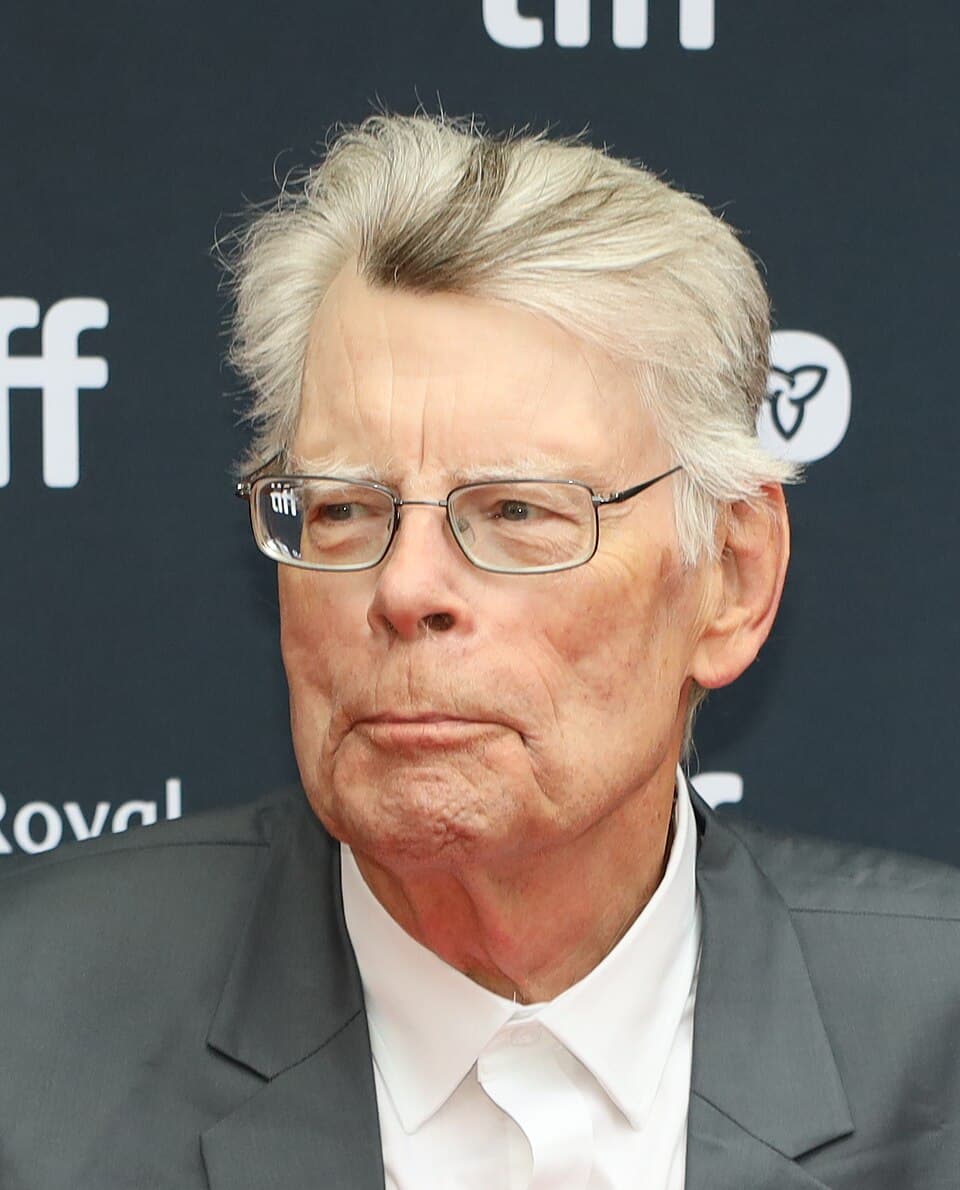
Writer · British Raj
Raja Rao
**Raja Rao (1908–2006)** was a celebrated Indian English novelist, short-story writer, essayist, and philosopher. He is regarded as one of the major early Indian writers in English. His best-known works include *Kanthapura*, *The Serpent and the Rope*, and *The Chessmaster and His Moves*. His writing combined Indian philosophical ideas with English literary forms. He received the **Sahitya Akademi Award in 1964**, the **Padma Bhushan in 1969**, and the **Neustadt International Prize for Literature in 1988**. ([news.utexas.edu](https://news.utexas.edu/2016/06/14/ransom-center-acquires-archive-of-indian-author-raja-rao/))
Biography
Raja Rao was born in 1908 in Hassan district of the princely state of Mysore, in present-day Karnataka, India. He received his early education in India and later pursued higher studies in Europe. He earned a bachelor's degree from the University of Madras and studied literature and history at the University of Montpellier and the Sorbonne in France. He became proficient in several languages, including English, French, Sanskrit, and Kannada. (news.utexas.edu)
Rao's literary career developed during a period when Indian writers were increasingly using English to explore Indian society, history, culture, and philosophical thought. His first major novel, Kanthapura, was published in 1938. Set in a South Indian village, the novel portrays the impact of India's independence movement on rural society and presents the spread of Gandhian ideas through the village community. The University of Texas notes that the novel was praised by E. M. Forster for its distinctive adaptation of Indian literary traditions to the English novel. (news.utexas.edu)
During the 1930s and 1940s, Rao was deeply interested in Indian philosophy and spiritual traditions. According to the Sahitya Akademi, he met and spent time with figures including Sri Aurobindo, Ramana Maharshi, Mahatma Gandhi, and Atmananda between 1934 and 1944. He also became involved for a period in an underground movement against British rule. (sahitya-akademi.gov.in)
Rao's philosophical interests became especially prominent in The Serpent and the Rope, published in 1960. The novel explores questions of identity, spirituality, truth, relationships, and the meeting of Indian and Western intellectual traditions. The book received the Sahitya Akademi Award for English in 1964, as confirmed by the Akademi's official awards list. (sahitya-akademi.gov.in)
Other important works followed, including The Cat and Shakespeare: A Tale of India (1965), Comrade Kirillov (1976), The Policeman and the Rose: Stories (1978), and The Chessmaster and His Moves (1988). His writing frequently combined philosophical reflection with questions about history, politics, religion, and human existence. (sahitya-akademi.gov.in)
In 1966, Rao joined the faculty of the University of Texas at Austin, where he taught Indian philosophy. He remained there until his retirement as Professor Emeritus in 1980. He also became a fellow of the Woodrow Wilson International Center for Scholars in 1972 and an Honorary Fellow of the Modern Language Association of America in 1984. (news.utexas.edu)
Rao received several major literary honors. He was awarded the Padma Bhushan in 1969, and The Chessmaster and His Moves was followed by the Neustadt International Prize for Literature in 1988. He was also elected a Sahitya Akademi Fellow in 1996, an honor that the Akademi describes as its highest distinction for writers. (sahitya-akademi.gov.in)
Raja Rao died in Austin, Texas, in 2006. His literary legacy rests particularly on his distinctive use of English to express Indian philosophical concepts, cultural traditions, and historical experiences. His manuscripts and personal papers are preserved at the Harry Ransom Center at the University of Texas at Austin. (hrc.utexas.edu)
Did you know?
Raja Rao Biography, Life, Books and Literary Works