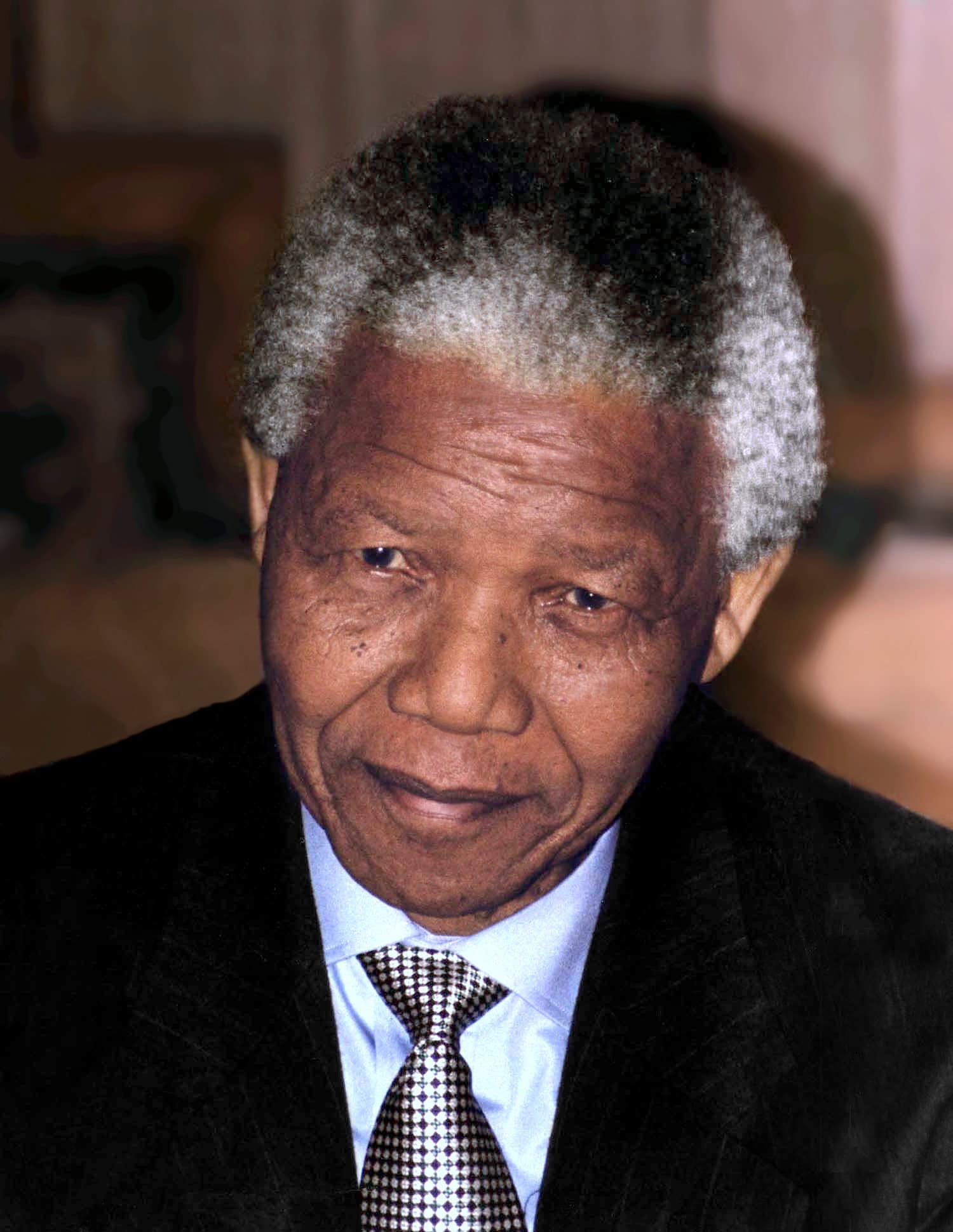
Muhammad Yunus
মুহাম্মদ ইউনূস
28 June 1940 — · present · Bangladeshi · Economist & banker
Bangladeshi economist and Nobel laureate who pioneered the concepts of microcredit and microfinance through Grameen Bank, lifting millions out of poverty.
Muhammad Yunus (born 28 June 1940) is a Bangladeshi economist, banker, and civil society leader. He was awarded the Nobel Peace Prize in 2006 for founding Grameen Bank and pioneering the concepts of microcredit and microfinance.[1]
Early life and education
Yunus was born in the village of Bathua, in the Chittagong District of British India (now Bangladesh). He earned a Fulbright scholarship in 1965 and received his Ph.D. in economics from Vanderbilt University in 1971.
Grameen Bank
In 1976, while teaching at the University of Chittagong, Yunus visited the village of Jobra and observed how small loans could make a disproportionate difference to the lives of poor villagers — particularly women. He founded Grameen Bank in 1983 to make small loans, without collateral, to the rural poor. By 2007 the bank had lent more than US$6 billion to over seven million borrowers.[2]
Recognition and politics
The 2006 Nobel Peace Prize was awarded jointly to Yunus and Grameen Bank "for their efforts to create economic and social development from below." Yunus has subsequently advocated for "social business" — companies whose primary aim is solving a social problem rather than maximising profit. In 2024 he was appointed Chief Adviser of the interim government of Bangladesh.[3]
References
- [1]The Nobel Peace Prize 2006. NobelPrize.org. ↗
- [2]Yunus, Muhammad (1999). Banker to the Poor: Micro-lending and the Battle Against World Poverty. PublicAffairs.
- [3]BBC News (2024). Muhammad Yunus to lead Bangladesh interim government.