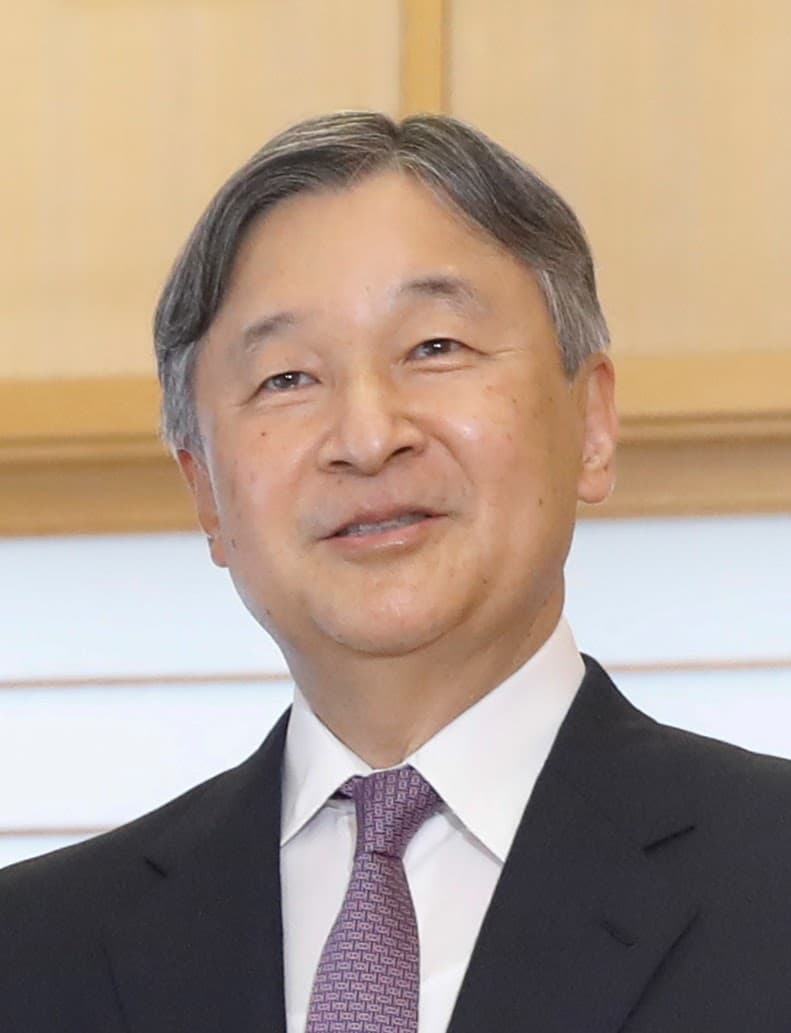
Monarch · Empire of Japan
Hirohito
Hirohito, posthumously known in Japan as Emperor Shōwa, was the 124th Emperor of Japan, reigning from December 25, 1926, until his death on January 7, 1989. His reign, known as the Shōwa era, included Japan's expansion in Asia, World War II, the country's defeat in 1945, and its transformation into a modern constitutional state. After the war, Hirohito remained emperor under Japan's new constitution, serving as a symbolic figure rather than a governing ruler.
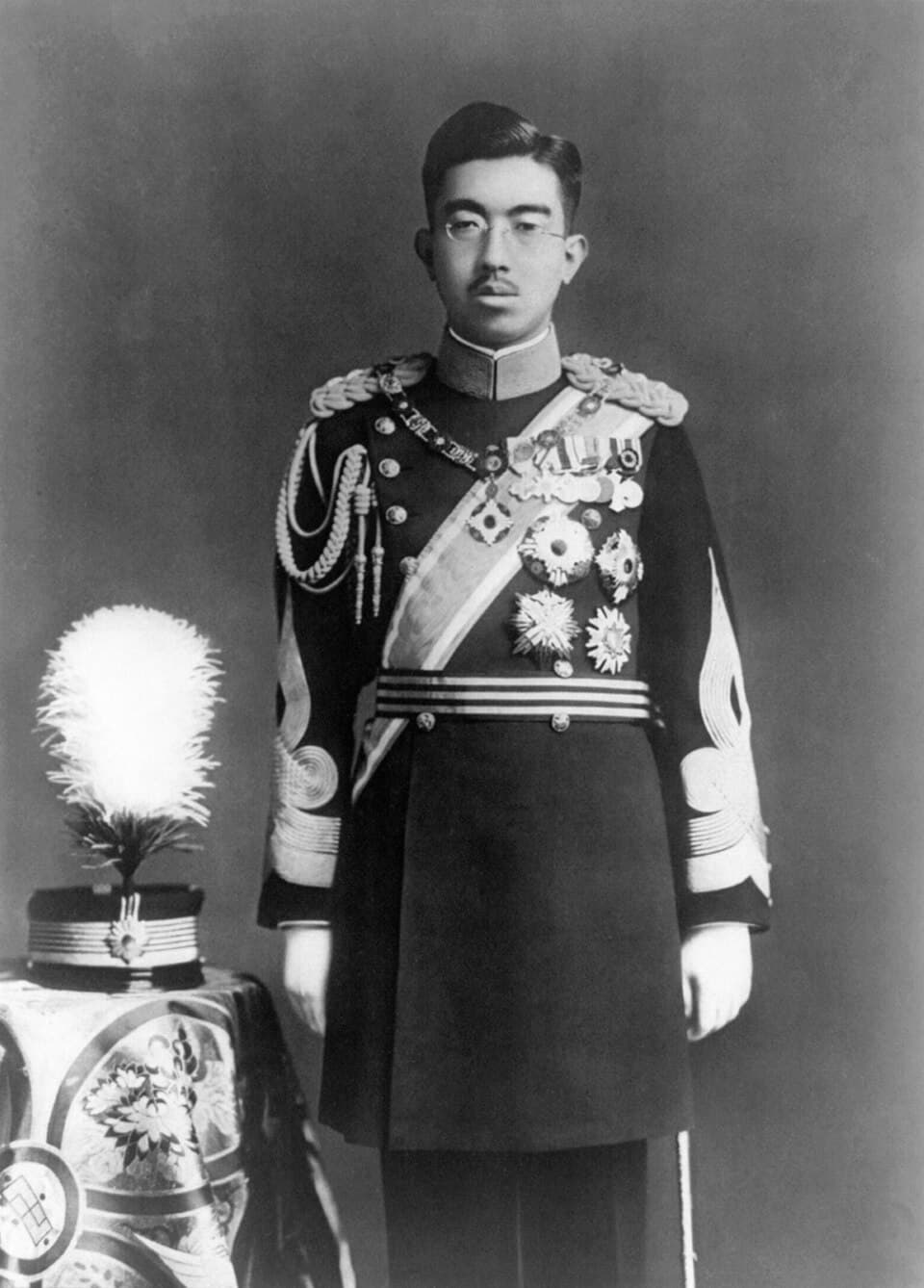 Wikimedia Commons
Hirohito: Full Biography
Biography
Early Life and Birth
Hirohito was born on April 29, 1901, at the Aoyama Detached Palace in Tokyo, Japan. He was the eldest son of Crown Prince Yoshihito, who later became Emperor Taishō, and Princess Sadako, later known as Empress Teimei.
He was given the childhood title Prince Michi and was raised according to the traditions of Japan's imperial household. His early years prepared him for a future role at the center of Japanese political and ceremonial life.
Family Background
Hirohito belonged to Japan's imperial dynasty, traditionally associated with a long line of emperors. His grandfather, Emperor Meiji, had overseen Japan's transformation into a modern industrial and military power during the late nineteenth and early twentieth centuries.
His father, Emperor Taishō, ruled from 1912 to 1926. Hirohito grew up during a period when Japan was expanding its international influence while experiencing significant political, economic, and social changes.
Education and Training
Hirohito received an education designed for a future emperor. He attended institutions associated with the imperial family and studied history, science, mathematics, military affairs, and imperial traditions.
His education also included instruction in Japanese constitutional and political institutions. He developed a particular interest in biology, especially marine life, which remained an important personal pursuit throughout his life.
Becoming Crown Prince
In 1912, following the death of Emperor Meiji, Hirohito became crown prince when his father ascended the throne. He formally received the status of crown prince in 1916.
His position placed him at the center of the imperial succession. As he grew older, he received further preparation for official responsibilities and began participating in public ceremonies.
Journey to Europe
In 1921, Hirohito traveled to Europe, visiting Britain and several other European countries. He was the first Japanese crown prince to make an overseas journey of this kind.
The trip exposed him to European political institutions, royal courts, and different cultural traditions. After returning to Japan, he assumed the duties of regent because his father was seriously ill.
Marriage to Princess Nagako
On January 26, 1924, Hirohito married Princess Nagako Kuni, who later became Empress Kōjun. Their marriage strengthened the continuity of the imperial family.
The couple had seven children, including Akihito, who later became Emperor of Japan. Their family life remained closely connected to the traditions and public expectations of the imperial household.
Becoming Emperor of Japan
Hirohito ascended the throne on December 25, 1926, after the death of his father. He became Japan's 124th emperor according to the traditional order of succession.
His reign name was Shōwa, commonly translated as “Enlightened Peace” or “Radiant Harmony.” The Shōwa era lasted until his death in 1989 and encompassed some of the most dramatic events in modern Japanese history.
Japan in the 1920s and 1930s
When Hirohito became emperor, Japan had a parliamentary system in which political parties and elected representatives played significant roles. However, economic instability, political violence, nationalism, and growing military influence increasingly weakened civilian government.
Military leaders pressed for territorial expansion in East Asia. Japan's occupation of Manchuria in 1931 and its widening war with China from 1937 marked major turning points in the country's international relations.
The Rise of Japanese Militarism
During the 1930s, Japan's military gained greater influence over national policy. Political assassinations, attempted coups, and pressure from military factions undermined civilian authority.
Hirohito occupied a central constitutional and symbolic position, and he was involved in important state and military decisions. Historians continue to debate the extent of his personal responsibility for Japan's expansion and wartime policies. Evidence indicates that he was informed about military operations and participated in high-level deliberations, although the precise nature of his influence varied across events.
The Second Sino-Japanese War
In 1937, Japan's conflict with China escalated into a full-scale war. Japanese forces captured major Chinese cities and committed widespread atrocities, including the Nanjing Massacre.
The war caused enormous civilian suffering and became a central part of Japan's growing military involvement in Asia. Hirohito remained emperor throughout this period, and his role in the decisions surrounding the war continues to be examined by historians.
Alliance with Germany and Italy
In September 1940, Japan signed the Tripartite Pact with Nazi Germany and Fascist Italy. The agreement formalized the alliance among the three Axis powers.
Japan's expansion into French Indochina and its increasing conflict with the United States and other Western powers intensified international tensions. Economic sanctions, particularly restrictions on oil supplies, added pressure to Japan's leadership as it considered whether to pursue further military action.
World War II and the Attack on Pearl Harbor
On December 7, 1941, Japan attacked the United States naval base at Pearl Harbor in Hawaii. The attack brought the United States directly into World War II.
Japan also launched military operations across Southeast Asia and the Pacific. During the early stages of the war, Japanese forces captured large territories, but the tide began to turn after major Allied victories, including the Battle of Midway in 1942.
Hirohito remained emperor and participated in imperial conferences during the war. The extent of his responsibility for specific military decisions remains a major subject of historical debate.
The Pacific War and Japan's Defeat
As the war continued, Japan suffered increasing military losses, air raids, naval defeats, and severe shortages. Allied forces advanced toward the Japanese home islands, while the country's cities faced devastating bombing campaigns.
In August 1945, the United States dropped atomic bombs on Hiroshima and Nagasaki. The Soviet Union also entered the war against Japan, launching an offensive against Japanese forces in Manchuria.
Japan's leadership faced the prospect of further destruction and military defeat. Hirohito intervened in the decision-making process to support acceptance of the Allied surrender terms.
Announcement of Japan's Surrender
On August 15, 1945, Hirohito addressed the Japanese public in a recorded radio broadcast announcing that Japan would accept the terms of surrender. It was the first time many ordinary Japanese people had heard the emperor's voice.
The formal surrender document was signed on September 2, 1945, aboard the USS Missouri. The announcement ended Japan's participation in World War II and began a period of occupation and political reconstruction.
Allied Occupation and Postwar Reform
After the war, Japan came under Allied occupation led by the United States, with General Douglas MacArthur serving as Supreme Commander for the Allied Powers.
The occupation introduced major political, social, and economic reforms. Japan adopted a new Constitution in 1947, which established popular sovereignty, strengthened parliamentary government, and limited the emperor's role to that of a symbol of the state and the unity of the people.
Hirohito remained on the throne, but the political system changed fundamentally.
Renunciation of Imperial Divinity
In January 1946, Hirohito issued a declaration rejecting the idea that his relationship with the Japanese people depended on the belief that the emperor was divine.
The declaration formed part of the broader transformation of the imperial institution under the postwar constitutional order. The emperor retained ceremonial importance, but the government was responsible for political decision-making.
Controversy over War Responsibility
Hirohito's wartime role remains one of the most debated subjects in modern Japanese history. Some interpretations emphasize the influence of powerful military leaders and the constraints surrounding the emperor's decisions. Other historians argue that he possessed meaningful authority, was informed about military operations, and bears responsibility for decisions made during the expansion of the war.
Hirohito was not tried as a war criminal at the International Military Tribunal for the Far East. The Allied occupation authorities chose to retain the monarchy, partly out of concern that removing the emperor could complicate the occupation and destabilize Japan.
His absence from the trials remains a significant part of the historical debate about accountability for wartime actions.
Postwar Japan's Economic Transformation
During the postwar decades, Japan rebuilt its economy and developed into a major industrial and technological power. Rapid economic growth transformed living standards, manufacturing, infrastructure, and international trade.
Hirohito's role in this period was primarily symbolic and ceremonial under the Constitution. He attended public events and represented continuity as Japan rebuilt its institutions and restored its international relationships.
Public Visits and Ceremonial Duties
After the occupation ended in 1952, Hirohito continued to perform public duties as constitutional emperor. He attended ceremonies, met dignitaries, and visited different parts of Japan.
These activities helped establish a new public image of the imperial institution. Rather than exercising political power, the emperor served as a representative figure within Japan's constitutional monarchy.
Scientific Interests and Marine Biology
Hirohito had a lifelong interest in marine biology, particularly the study of hydroids and other marine organisms. He maintained a laboratory at the Imperial Palace and conducted scientific research alongside his imperial duties.
He published scholarly works on marine organisms and contributed to scientific knowledge through his research. His scientific interests provided a distinctive dimension to his public and private life.
Family and Children
Hirohito and Empress Kōjun had seven children. Their eldest son, Akihito, became emperor after Hirohito's death in 1989.
Akihito's reign introduced a new generation of the imperial family and continued the transformation of the monarchy within Japan's postwar constitutional system.
Later Years and Health
In his later years, Hirohito continued to perform selected official duties while his health gradually declined. He remained a prominent public figure, although his activities became more limited as he grew older.
His reign spanned political upheaval, war, occupation, reconstruction, and Japan's emergence as a leading economic power.
Death
Hirohito died on January 7, 1989, at the age of 87 in Tokyo. His death brought the Shōwa era to an end.
His eldest son, Akihito, succeeded him as emperor, beginning the Heisei era. After his death, Hirohito became known by his posthumous name, Emperor Shōwa.
Historical Significance
Hirohito was emperor during an extraordinary period in Japan's history. His reign encompassed the rise of militarism, expansion across Asia, World War II, defeat and occupation, constitutional reform, and postwar economic growth.
His position during the war and his survival as emperor after 1945 continue to generate discussion among historians and the public.
Legacy
Hirohito's legacy is complex and contested. For some, he represents the continuity of Japan's imperial institution and the country's postwar transformation. For others, his reign remains inseparable from Japanese military expansion and the suffering caused by the war.
His long reign illustrates the changing role of the Japanese monarchy, from its prewar position within an imperial state to its postwar status as a constitutional symbol.
Conclusion
Hirohito ruled Japan from 1926 until his death in 1989. His reign witnessed war, national defeat, political reform, and economic recovery. Although his precise role in wartime decision-making remains debated, his place in the history of twentieth-century Japan is significant and inseparable from the major events of the Shōwa era.
Did you know?
- Hirohito was born on April 29, 1901, in Tokyo, Japan. - His reign name was Shōwa, and he is now commonly referred to as Emperor Shōwa in Japan. - He became regent for his father in 1921 before ascending the throne in 1926. - His recorded radio broadcast announcing Japan's surrender in August 1945 was an unprecedented event for the Japanese public. - After World War II, Japan's Constitution defined the emperor as a symbol of the state and national unity. - Hirohito was a serious marine biology researcher and published scientific works. - His son Akihito succeeded him in 1989. - His wartime role and responsibility remain subjects of historical debate.