Writer · Lu
Confucius
Confucius (551–479 BCE), also known as Kong Qiu or Master Kong, was an influential Chinese philosopher, educator, and political thinker. Born in the ancient state of Lu, in present-day Shandong Province, China, he devoted his life to teaching moral values, personal responsibility, social harmony, and good government. His teachings emphasized kindness, respect, honesty, education, and proper conduct. His ideas were preserved in *The Analects*, a collection of sayings and conversations compiled by his followers. Confucius became one of the most influential thinkers in Chinese history, and his philosophy shaped Chinese culture and societies throughout East Asia for centuries.
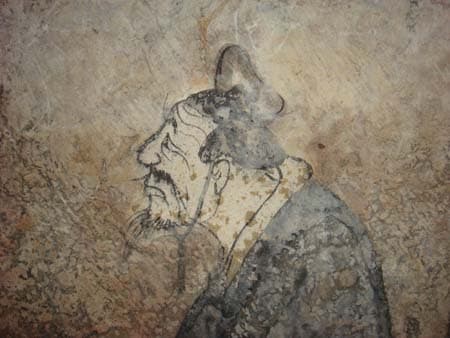 Wikimedia Commons
Confucius Biography
Biography
Early Life
Confucius was born around 551 BCE in the state of Lu, in what is now Shandong Province, China. His Chinese name was Kong Qiu, and he was also known by the honorific name Kong Fuzi, meaning “Master Kong.” The Latinized form of this name became Confucius.
He was born during the Spring and Autumn period, a time of political instability and declining authority for the Zhou dynasty. Traditional accounts state that his father died when he was young, and his family experienced financial difficulties. These early circumstances helped shape his appreciation for learning, discipline, and personal responsibility.
Education and Early Career
Confucius developed a strong interest in history, music, traditional ceremonies, and the teachings of earlier Chinese rulers. He believed that studying the past could help people understand how to live ethically and govern society effectively.
As a young man, he held several modest administrative positions. These experiences gave him insight into the practical challenges of public service and the responsibilities of government officials.
Confucius believed that education should develop a person's character, not simply provide knowledge or prepare someone for a career. He became known as a teacher who emphasized continuous learning, self-reflection, and moral improvement.
Teaching and Students
Confucius devoted much of his life to teaching. He attracted students who wanted to learn about ethics, leadership, history, and proper conduct.
He encouraged learners to ask questions, examine their behavior, and apply what they learned in everyday life. He believed that education should help people become thoughtful, responsible, and virtuous members of society.
Confucius is traditionally associated with a large number of disciples. Several of his students helped preserve and transmit his teachings after his death.
Political Career
Confucius believed that good government depended on the moral character of its leaders. He argued that rulers should lead through virtue and personal example rather than relying entirely on punishment and force.
According to traditional accounts, he served in government in the state of Lu and held positions involving administration and justice. However, his political career was limited, and he became frustrated by the corruption and rivalries of the ruling authorities.
He hoped to establish a government based on justice, responsibility, respect for tradition, and concern for the welfare of ordinary people.
Years of Travel
Confucius spent a number of years travelling among different states in search of a ruler willing to put his political and ethical ideas into practice.
During these journeys, he advised leaders, taught students, and continued developing his ideas about morality and government. His proposals did not achieve the political success he had hoped for.
Despite these difficulties, he continued to believe that education and moral example could gradually improve society.
Philosophy and Core Teachings
Confucius's philosophy focused on personal morality, social responsibility, education, and harmonious relationships. His teachings later became the foundation of Confucianism.
Ren — Benevolence and Humaneness
Ren refers to humaneness, kindness, and concern for others. Confucius believed that people should treat others with compassion and respect.
Li — Ritual and Proper Conduct
Li refers to rituals, customs, etiquette, and appropriate behavior. Confucius viewed these practices as important ways to cultivate self-discipline and maintain social harmony.
Xiao — Filial Piety
Filial piety means respect, care, and devotion toward one's parents and ancestors. Confucius considered family relationships an important foundation for a stable society.
Yi — Righteousness
Yi represents moral rightness and the responsibility to do what is just. Confucius encouraged people to choose what is right rather than acting only for personal gain.
Education and Self-Improvement
Confucius believed that people could improve themselves through learning, reflection, and practice. He emphasized humility, intellectual curiosity, and the willingness to correct one's mistakes.
The Analects
The Analects, known in Chinese as Lunyu, is the most important collection of teachings associated with Confucius. It contains sayings, conversations, and accounts involving Confucius and his disciples.
The work explores topics such as morality, education, leadership, family relationships, friendship, and personal conduct. It was compiled and transmitted by his followers rather than written as a single book by Confucius himself.
The Analects became a central text in the Confucian tradition and influenced generations of scholars, officials, and students.
Later Life and Death
Confucius returned to the state of Lu during the later years of his life. He continued teaching and transmitting traditional knowledge.
He died in 479 BCE, traditionally believed to have been around seventy-two years old. Although he had not succeeded in transforming government according to his ideals, his students continued to preserve his teachings.
His influence grew considerably after his death, as later thinkers developed and interpreted his ideas.
Confucianism and Cultural Influence
Confucianism became one of the most influential intellectual traditions in China. During the Han dynasty, Confucian learning gained a central place in government and education.
Over time, Confucian ideas also spread to Korea, Japan, and Vietnam. They influenced family values, education, social relationships, political philosophy, and systems of government throughout East Asia.
Confucianism is not simply a set of abstract philosophical theories. It offers guidance on how individuals should behave toward family members, friends, colleagues, and society as a whole.
Legacy
Confucius remains one of the most influential philosophers in world history. His emphasis on education, ethical leadership, respect, and personal responsibility continues to shape discussions about morality and society.
His teachings have inspired scholars, educators, political thinkers, and ordinary people for more than two thousand years. Although interpretations of Confucianism have changed over time, the importance of learning, compassion, and responsible conduct remains central to his legacy.
Confucius is remembered not only as a philosopher but also as a teacher whose ideas helped shape the cultural and intellectual history of China and East Asia.
Did you know?
Confucius did not write *The Analects* as a single book. His students and later followers collected and compiled the sayings and conversations attributed to him, preserving his teachings for future generations.