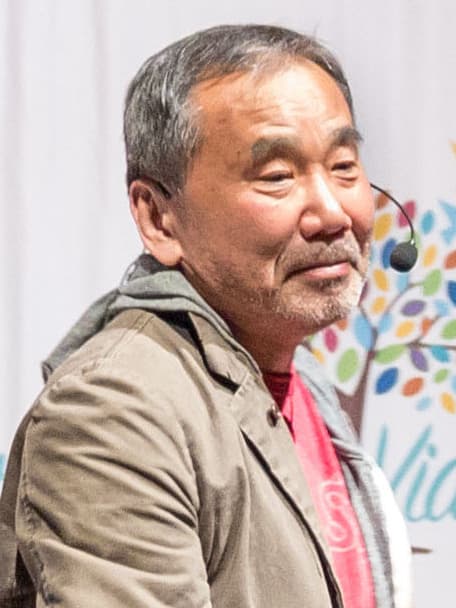
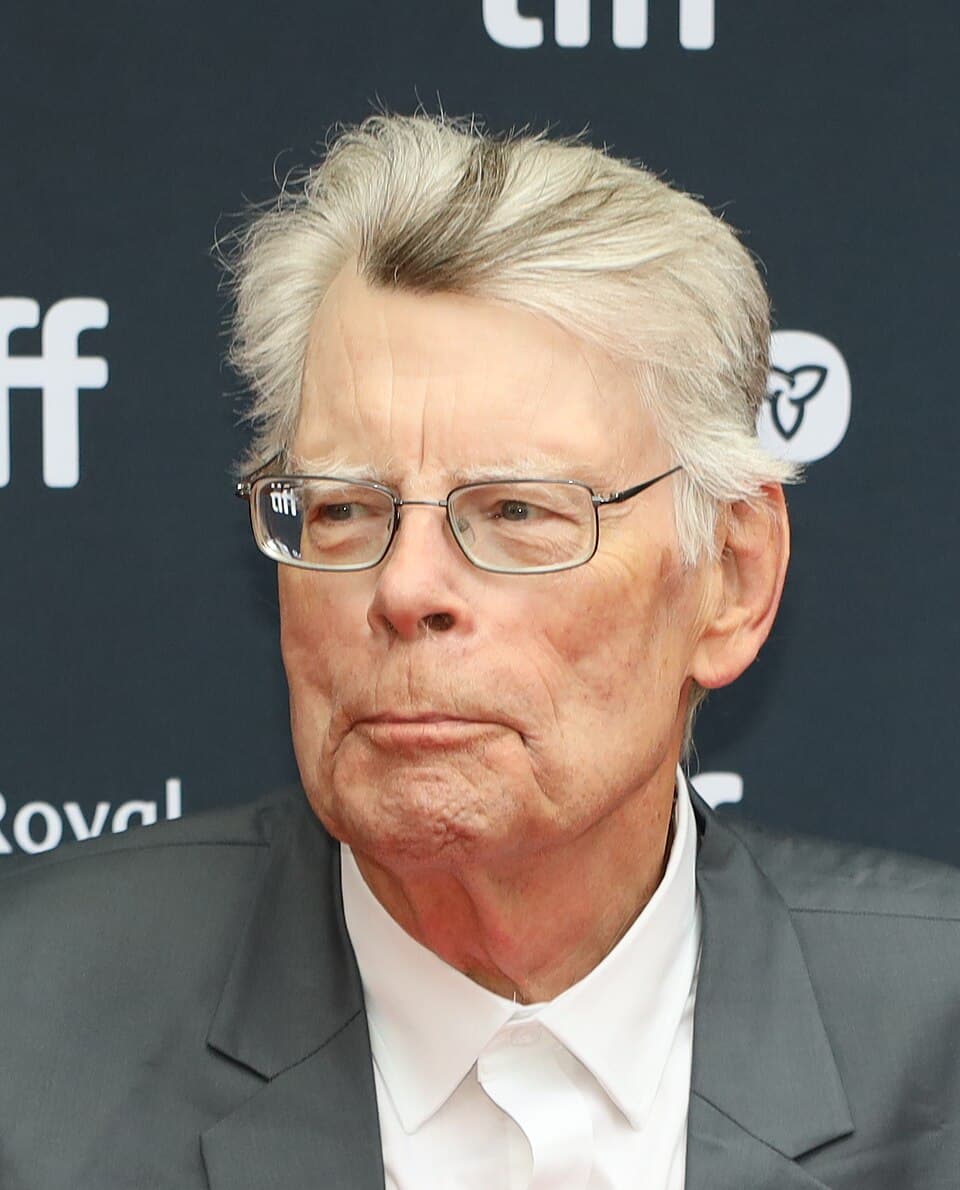
Writer · British Raj
Aurobindo Ghosh
**Aurobindo Ghosh (Sri Aurobindo, 1872–1950)** was an Indian nationalist, philosopher, poet, writer, and spiritual teacher. Born in Calcutta, he was educated in England before returning to India in 1893. He became an important figure in the Indian nationalist movement and later withdrew from politics to devote himself to spiritual practice in Pondicherry. His philosophy of **Integral Yoga** and works such as *The Life Divine*, *The Synthesis of Yoga*, and *Savitri* became central to his intellectual and spiritual legacy.
 Wikimedia Commons
Selected bibliography
| Year | Work |
|---|---|
| 1914 | The Secret of the Veda |
| 1922 | Asiacha Prabhat-Kal |
| 1925 | Bharater Nabajanma |
| 1972 | The Mother With Letters on the Mother |
| 2001 | Kena and Other Upanishads |
| — | The Human Cycle |
| — | Savitri |
| — | The Collected Works of Sri Aurobindo |
| — | The Life Divine |
| — | The Synthesis of Yoga |
| — | Essays on the Gita |
| — | Sri Aurobindo Birth Centenary Library |
| — | A Defence of Indian Culture |
| — | The Future Poetry |
Biography
Sri Aurobindo, originally named Aurobindo Ghose, was born on 15 August 1872 in Calcutta. At the age of seven, he was taken to England with his brothers for education. He studied at St. Paul's School in London and later at King's College, Cambridge. He also passed the competitive examination for the Indian Civil Service but was disqualified after failing to complete the required riding examination.
Aurobindo returned to India in 1893 and entered the service of the Gaekwar of Baroda. He worked in various administrative positions and later became a professor of English and eventually Vice-Principal of Baroda College. During his Baroda years, he developed a growing interest in Indian culture, Sanskrit, literature, and political nationalism. He also began practicing yoga in 1905.
Following the Partition of Bengal in 1905, Aurobindo became increasingly active in the nationalist movement. In 1906 he left his position in Baroda and moved to Calcutta, where he became associated with the nationalist newspaper Bande Mataram. He advocated complete independence from British rule, a position that was more radical than the constitutional reform approaches common among many political leaders of the period. He was prosecuted several times for sedition and conspiracy but was released when the cases did not result in convictions.
Aurobindo was arrested in 1908 in connection with the Alipore Conspiracy Case and spent approximately a year in detention before being acquitted. During and after this period, he experienced significant spiritual developments that increasingly influenced his outlook. He later continued his political writings through Karmayogin and other publications.
In 1910, Aurobindo left Bengal and moved first to Chandernagore and then to Pondicherry, where he gradually withdrew from active politics. From then onward, his principal focus became spiritual practice, philosophy, literature, and what he called Integral Yoga. The Sri Aurobindo Ashram describes Integral Yoga as a path aimed not only at spiritual realization but also at the transformation of human nature.
In 1914, he began publishing the philosophical journal Arya. Many of his major philosophical works first appeared serially in it, including The Life Divine, The Synthesis of Yoga, Essays on the Gita, The Secret of the Veda, The Human Cycle, The Ideal of Human Unity, and The Future Poetry.
His literary achievement extended beyond philosophy. His best-known poetic work is Savitri: A Legend and a Symbol, a long epic poem in English inspired by a story from the Mahabharata. He also wrote plays, short stories, literary criticism, translations, political essays, and extensive correspondence on yoga and spiritual life.
In 1926, the community around Sri Aurobindo developed into the Sri Aurobindo Ashram. He entrusted its material and spiritual administration to the Mother (Mirra Alfassa), who became the central figure in the Ashram's day-to-day development.
Sri Aurobindo continued his writing and spiritual work in Pondicherry for the remainder of his life. He died on 5 December 1950. His writings have since been collected into a comprehensive edition of his works, and the Sri Aurobindo Ashram continues to publish and preserve his literary and philosophical legacy.
Did you know?
**Did you know?** Sri Aurobindo's major philosophical works, including *The Life Divine* and *The Synthesis of Yoga*, were originally published serially in the journal **Arya**, which he began in 1914.