Monarch · Japan
Akihito
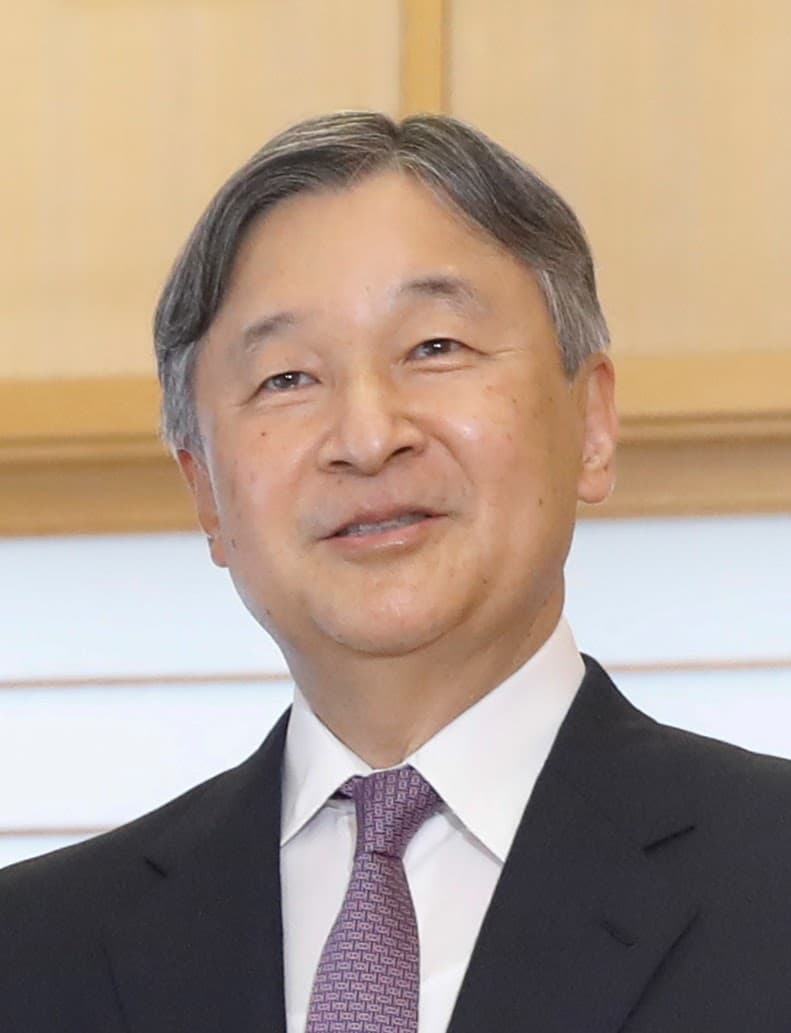
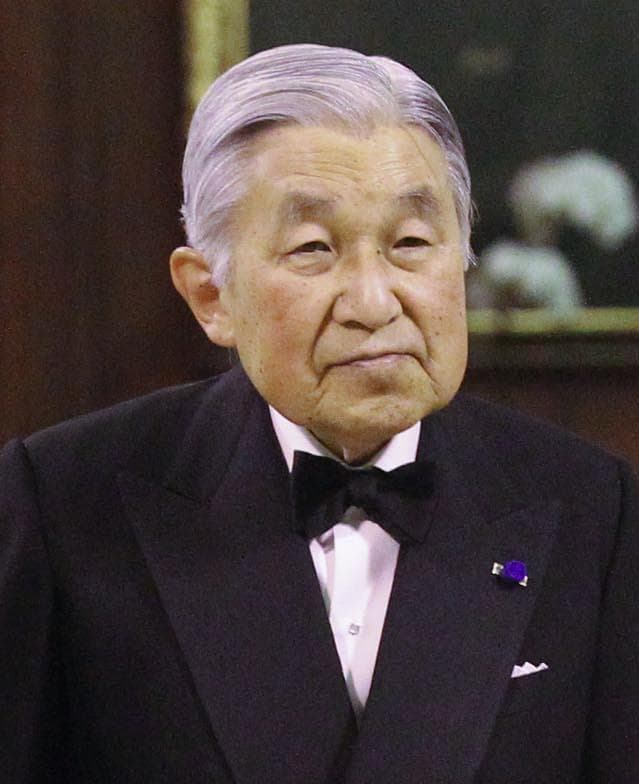
Akihito is a former Emperor of Japan who reigned from 1989 to 2019 during the Heisei era. The elder son of Emperor Hirohito, he became the first Japanese emperor in modern history to abdicate while alive. Throughout his reign, he emphasized peace, reconciliation, and remembrance of the victims of war. After his abdication, he became known as Emperor Emeritus.
 Wikimedia Commons
Akihito: Full Biography
Biography
Early Life and Birth
Akihito was born on December 23, 1933, in Tokyo, Japan. He was the eldest son of Emperor Hirohito, posthumously known as Emperor Showa, and Empress Kojun. At birth, he received the traditional imperial title Prince Tsugu.
Growing up as the heir to the Japanese throne, Akihito was prepared from childhood for his future responsibilities as emperor.
Education
Akihito received his elementary and secondary education at Gakushuin, an institution associated with the Japanese imperial family. During World War II, he was evacuated from Tokyo to Nikko, where he remained when the war ended in 1945.
In 1952, he entered Gakushuin University to study political science and economics. He completed his university education in 1956 and also received instruction in Japanese history, constitutional law, and other subjects important to his future role.
Becoming Crown Prince
In November 1952, Akihito formally became Crown Prince of Japan at the age of 18. This marked the beginning of his official responsibilities as the future emperor.
In 1953, he represented Japan at the coronation of Queen Elizabeth II in the United Kingdom. The journey was his first overseas trip and introduced him to international diplomacy and royal protocol.
Marriage to Michiko Shoda
On April 10, 1959, Akihito married Michiko Shoda, the daughter of a prominent businessman. Michiko was the first commoner to marry a Japanese crown prince in modern times, making their marriage a notable moment in the history of the imperial household.
Their relationship attracted considerable public attention, and Michiko later became Empress of Japan. They had three children: Naruhito, Fumihito, and Sayako.
Accession to the Throne
On January 7, 1989, following the death of Emperor Hirohito, Akihito became the 125th emperor of Japan. His formal enthronement ceremony took place on November 12, 1990.
His accession marked the beginning of the Heisei era, a name commonly interpreted as meaning the achievement of peace. His reign lasted for more than three decades.
The Heisei Era
Akihito's reign, from 1989 to 2019, covered a period of major social, economic, and technological change in Japan. The country experienced the aftermath of its economic bubble, prolonged economic difficulties, demographic change, and the growing influence of digital technology.
As a constitutional monarch, the emperor's role was largely ceremonial and symbolic. He carried out official duties in accordance with Japan's Constitution and acted on the advice and approval of the Cabinet in matters of state.
A Symbol of the People
During his reign, Akihito sought to make the imperial institution more approachable. Together with Empress Michiko, he visited communities across Japan, met people from different backgrounds, and attended public ceremonies.
The couple frequently expressed concern for people affected by poverty, illness, disasters, and other hardships. Their public activities helped shape the image of the imperial family as a symbol of national unity and shared experience.
World War II and the Pursuit of Peace
Akihito's childhood was deeply affected by World War II. After becoming emperor, he repeatedly emphasized the importance of remembering the suffering caused by war.
He and Empress Michiko visited places connected with wartime suffering, including Okinawa and sites associated with the Pacific War. These visits reflected his interest in remembrance, reconciliation, and the hope that future generations would avoid repeating the tragedies of the past.
Visits to War Memorials and Disaster Areas
Akihito made visits to locations affected by war and natural disasters. After major earthquakes, tsunamis, and other emergencies, he and the empress met survivors and offered words of encouragement.
Their response to the 2011 Great East Japan Earthquake and tsunami was particularly significant. Akihito addressed the nation on television, an unusual step for a Japanese emperor, and expressed sympathy for those who had lost family members or homes.
International Relations
As emperor, Akihito undertook numerous overseas visits with Empress Michiko. These trips supported cultural exchange and diplomatic relationships between Japan and other countries.
His public engagements also reflected an interest in acknowledging historical experiences and promoting peaceful relations. The imperial couple visited countries across Europe, Asia, North America, and other regions.
Scientific Research and Interest in Fish
Beyond his ceremonial duties, Akihito developed a serious interest in ichthyology, the scientific study of fish. He researched gobies, a group of small fish found in freshwater, brackish, and marine environments.
He published scientific papers on gobiid fishes and contributed to scholarly works about fish classification and evolution. His research was recognized within the scientific community, making him unusual among modern heads of state for his direct involvement in taxonomy.
The 2011 Earthquake and Tsunami
The earthquake and tsunami of March 2011 devastated northeastern Japan and caused the Fukushima Daiichi nuclear disaster. Akihito delivered a televised message expressing concern for the affected population and encouraging people to support one another.
His message was widely regarded as an important moment in his relationship with the Japanese public during a national crisis.
Constitutional Role
Japan's postwar Constitution defines the emperor as the symbol of the state and the unity of the people. The emperor does not exercise independent political power.
Akihito performed constitutional duties such as attending ceremonies, receiving ambassadors, and carrying out formal acts of state. His reign was marked by an understanding of the monarchy as a symbolic institution rather than a governing authority.
Decision to Abdicate
As Akihito grew older, concerns about his ability to continue performing the duties of the emperor led him to communicate his wish to step down. In a televised address in August 2016, he spoke about the challenges of fulfilling his responsibilities as he aged.
Japanese law had not provided a straightforward, permanent process for a reigning emperor to abdicate. Special legislation was therefore adopted to allow his abdication.
Abdication in 2019
On April 30, 2019, Akihito abdicated the throne. It was the first abdication by a Japanese emperor in more than two centuries.
His son, Naruhito, succeeded him on May 1, 2019, beginning the Reiwa era. Following his abdication, Akihito received the title Emperor Emeritus, while Michiko became Empress Emerita.
Life After the Throne
After retiring from official imperial duties, Akihito adopted a quieter lifestyle. He has continued to spend time with his family and maintain his scientific interests.
His post-abdication life has largely remained private, in keeping with the reduced public responsibilities of an emperor emeritus.
Family and Children
Akihito and Michiko have three children:
- Naruhito: Their eldest son, who became the 126th emperor of Japan in 2019.
- Fumihito: Their second son, who holds the title Crown Prince Akishino and is the heir apparent.
- Sayako: Their daughter, who left the imperial family upon marrying Yoshiki Kuroda in 2005.
Their family life was notable for a more hands-on approach to raising children than had traditionally been associated with the imperial household.
Personal Interests and Character
Akihito is known for his interest in science, particularly the study of fish. He has also shown a sustained interest in history, public welfare, and the experiences of ordinary people.
His approach to the imperial role emphasized public service, continuity, and symbolic closeness to the population.
Legacy
Akihito's legacy is closely associated with his efforts to present the Japanese monarchy as a symbol of peace, reconciliation, and national unity. His visits to disaster-stricken communities and places connected with wartime suffering became defining features of his reign.
His decision to abdicate also created a significant precedent in modern Japanese imperial history and led to a transition between the Heisei and Reiwa eras.
Conclusion
Akihito served as Japan's emperor from 1989 until his abdication in 2019. His reign unfolded during a period of profound change, and he became known for emphasizing remembrance, compassion, and the symbolic role of the monarchy. As Emperor Emeritus, he remains an important figure in the modern history of Japan.
Did you know?
- Akihito became Japan's 125th emperor in January 1989. - He was the first Japanese emperor in more than 200 years to abdicate while alive. - His wife, Michiko Shoda, was the first commoner to marry a Japanese crown prince in modern times. - He was a published researcher who specialized in goby fish. - His reign was known as the Heisei era, which ended when he abdicated in April 2019. - His eldest son, Naruhito, succeeded him as emperor on May 1, 2019.