Activist · South Korea
Sung Jae-gi
Sung Jae-gi (September 11, 1967 – July 26, 2013) was a South Korean men's rights activist, writer, and social activist. He was best known as the founder and leader of Man of Korea, an organization that campaigned on issues affecting men, including military service, family law, and social welfare. He also supported shelters and assistance programs for vulnerable men. His activism attracted public attention and controversy in South Korea. He died in 2013 after jumping from Mapo Bridge into the Han River during a fundraising protest.
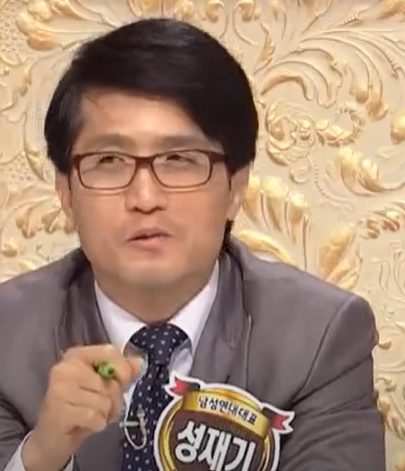 Wikimedia Commons
Sung Jae-gi: Full Biography
Biography
1. Introduction
Sung Jae-gi (Korean: 성재기; September 11, 1967 – July 26, 2013) was a South Korean men's rights activist, writer, and social organization leader. He became widely known for founding and leading Man of Korea, a group that advocated for issues he believed affected men in South Korean society.
His activities included campaigns concerning military service, family law, social welfare, and gender-related government policies. He also supported practical assistance for men experiencing homelessness, unemployment, and other difficult circumstances.
Sung's public statements and activism generated considerable debate, particularly because of his criticism of feminism and women's policy institutions.
2. Early Life and Family Background
Sung Jae-gi was born on September 11, 1967, in Daegu, South Korea.
He spent his early years in the Daegu region, where he later became involved in business and social activities. Although detailed information about his childhood and family background is limited in widely available English-language biographies, his education and early professional experiences helped shape his later career.
3. Education
Sung attended Yeungnam University in South Korea.
His university education formed part of his early development before he entered business and became involved in social activism.
4. Early Career and Business Activities
Before becoming widely recognized as an activist, Sung worked in business.
During his early twenties, he reportedly worked as an insurance salesperson and later operated his own business. He also became involved in commercial activities in Daegu, including operating a nightclub.
His business experience gave him familiarity with organizational management and fundraising, skills that later became relevant to his leadership of civic organizations.
5. Entry into Men's Rights Activism
Sung became involved in South Korea's men's rights movement during the early 2000s.
He argued that certain government policies and social institutions did not adequately address problems experienced by men. His campaigns focused on subjects such as military-service compensation, family-related legal issues, and the availability of social support for men.
He also criticized the Ministry of Gender Equality and Family, arguing that government resources and policies should address men's concerns more directly.
His positions became controversial and contributed to wider public debates about gender equality and social policy in South Korea.
6. Founding of Activist Organizations
Sung established several organizations to promote his views and campaigns.
In 2006, he founded the Association of Anti-Feminism for the Liberation of Men. In 2007, he established the Association for the Abolition of the Ministry of Women.
These organizations campaigned against policies and institutions that Sung considered unfair to men.
His activism attracted supporters as well as strong criticism from people who disagreed with his views and approach to gender issues.
7. Founding of Man of Korea
One of Sung's most significant activities was founding Man of Korea, also known by its Korean name, Namseongyeondae.
The organization was established in 2008 and became the main platform for his men's rights advocacy.
Man of Korea promoted campaigns related to:
- Military-service compensation.
- Men's access to social welfare.
- Family and divorce-related legal concerns.
- Support for male victims of violence.
- Assistance for homeless and unemployed men.
- Criticism of government gender policies.
Sung served as the organization's leading representative and became its most recognizable public figure.
8. Social Welfare and Support for Vulnerable Men
Alongside his political campaigns, Sung supported practical assistance for men facing social and economic difficulties.
His organization operated a shelter and support services for homeless men, male victims of violent crime, teenage runaways, and gay and transgender men.
These activities reflected his stated belief that men experiencing hardship needed access to social services and institutional support.
His work in this area formed an important part of his public activities beyond political demonstrations and media appearances.
9. Public Statements and Controversies
Sung was a highly outspoken activist whose statements frequently attracted media attention.
He criticized feminist organizations and government policies related to gender equality. Some of his comments about women and feminism generated strong public criticism.
His position on the Ministry of Gender Equality and Family was particularly controversial. He advocated abolishing the ministry, arguing that its policies did not adequately represent men's interests.
His public activities reflected the wider disagreements in South Korea over gender relations, military obligations, family policy, and the role of government institutions.
10. Final Fundraising Protest
By 2013, Man of Korea was experiencing serious financial difficulties.
In July of that year, Sung publicly announced that he would jump from a bridge into the Han River as part of an effort to attract attention and raise approximately 100 million South Korean won for the organization.
On July 26, 2013, he jumped from Mapo Bridge in Seoul. His action was intended as a dramatic fundraising appeal, but he did not survive.
His body was discovered on July 29, 2013, in the Han River near Seogang Bridge.
The incident generated widespread media coverage and public discussion about the circumstances of his death, the safety of extreme protest actions, and the financial situation of his organization.
11. Personal Life
Sung Jae-gi was married to Park Eun-kyong, and biographical records identify him as the father of two daughters.
He generally kept his private life less visible than his public activities as an activist and organization leader.
Much of the available information about him focuses on his professional work, public campaigns, and leadership of Man of Korea.
12. Influence on South Korean Public Debate
Sung became a recognizable figure in discussions about men's rights in South Korea.
His campaigns brought attention to topics such as military-service obligations, social services for men, family-related legal concerns, and the responsibilities of government gender-policy institutions.
His activism also attracted criticism because of his anti-feminist positions and confrontational public statements.
His life and activities remain connected to broader discussions about gender equality, social welfare, and political activism in South Korea.
13. Death and Legacy
Sung Jae-gi died on July 26, 2013, at the age of 45, after jumping from Mapo Bridge into the Han River in Seoul. His body was recovered three days later.
His death became a major news story in South Korea and brought renewed attention to Man of Korea and the issues he had campaigned about.
His legacy remains debated. Some remember him for raising concerns about men's social welfare and legal issues, while others criticize his anti-feminist rhetoric and political positions.
14. Conclusion
Sung Jae-gi was a South Korean activist whose life was closely connected with the men's rights movement. Through the founding of Man of Korea and other organizations, he campaigned on issues involving military service, social welfare, family law, and gender-related government policies.
His activism generated both support and controversy, making him a notable figure in South Korea's debates about gender and society. His death in 2013 brought further public attention to his organization and the causes he had promoted.
Did you know?
**Did You Know?** - Sung Jae-gi was born on September 11, 1967, in Daegu, South Korea. - He studied at Yeungnam University. - He founded Man of Korea in 2008. - His campaigns addressed military-service compensation, men's social welfare, and family-related legal issues. - His organization supported services for homeless men and male victims of violence. - He died in July 2013 after jumping from Mapo Bridge during a public fundraising protest.