Activist · Jamaica
Harry Belafonte
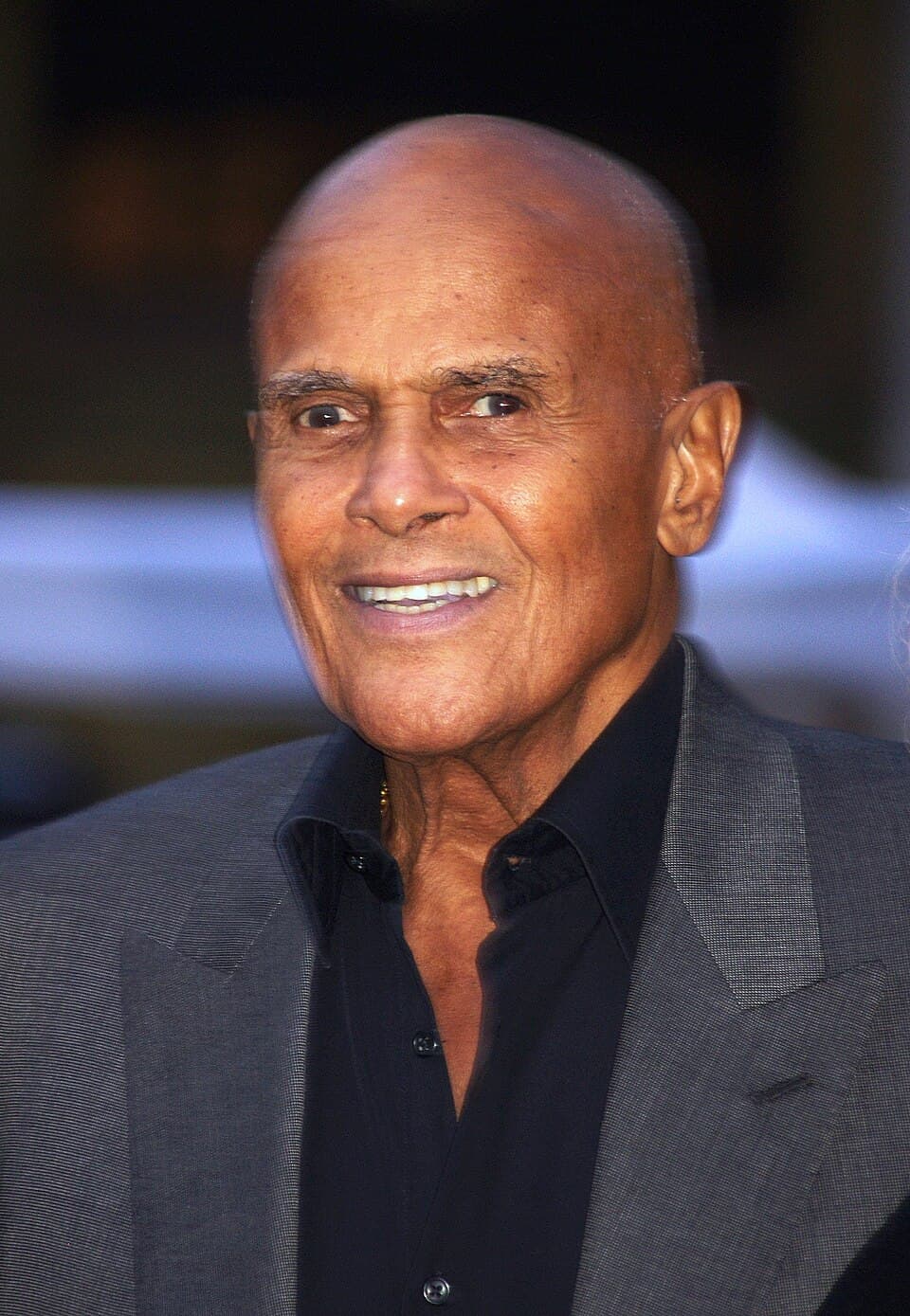
Harry Belafonte (1927–2023) was an American singer, actor, and human rights activist known as the “King of Calypso.” He popularized Caribbean music internationally through hits such as “Day-O (The Banana Boat Song)” and “Jamaica Farewell.” Beyond entertainment, Belafonte was a prominent civil rights campaigner, a close ally of Martin Luther King Jr., and a supporter of humanitarian causes around the world. In 1987, he was appointed a UNICEF Goodwill Ambassador in recognition of his commitment to children and social justice.
 Wikimedia Commons
Harry Belafonte: Full Biography
Biography
Early Life and Family Background
Harry Belafonte was born Harold George Bellanfanti Jr. on March 1, 1927, in Harlem, New York City, United States. His parents were of Jamaican descent, and his upbringing connected him closely to Caribbean culture and traditions.
His father, Harold George Bellanfanti Sr., worked as a chef, while his mother, Melvine Love, worked as a domestic worker. Belafonte spent part of his childhood in Jamaica, where he experienced the music, language, and cultural traditions that would later influence his artistic career.
Growing up between the United States and Jamaica exposed him to racial discrimination and economic hardship. These experiences helped shape his understanding of inequality and contributed to his lifelong commitment to civil rights.
Education and Early Challenges
Belafonte attended school in New York but faced difficulties associated with poverty and an unstable family environment. His education was interrupted, and he eventually left school before completing his studies.
During World War II, he served in the United States Navy. His military experience exposed him to racial inequalities that continued to affect Black Americans, even while they served their country.
After returning to civilian life, Belafonte became interested in theater and the performing arts. He began pursuing opportunities that allowed him to develop his talents as a singer and actor.
Discovering His Passion for Performance
Belafonte's interest in acting grew after he attended performances at the American Negro Theater in Harlem. He became fascinated by the ability of theater to tell stories about Black life, identity, and social conditions.
He studied acting and developed his stage skills, eventually performing alongside other emerging artists. His artistic training helped him become a confident performer who could combine music, storytelling, and political expression.
Although he initially pursued acting, music soon became an equally important part of his career.
Beginning His Music Career
Belafonte began performing professionally in New York nightclubs during the late 1940s. His early repertoire included jazz, folk music, spirituals, and traditional songs from the Caribbean.
He developed a distinctive style that blended musical influences from different cultures. His rich voice, charismatic stage presence, and ability to communicate a song's story helped him attract a growing audience.
As his popularity increased, he recorded music and appeared in major performance venues. He gradually became one of the most recognizable entertainers of his generation.
Becoming the King of Calypso
Belafonte became internationally famous during the 1950s for helping introduce Caribbean calypso music to a mainstream American audience.
His 1956 album Calypso became a major commercial success and is widely credited as the first album by a single artist to sell more than one million copies. Its popularity brought Caribbean rhythms and storytelling to listeners around the world.
The nickname “King of Calypso” became closely associated with Belafonte, although his musical career extended well beyond that genre.
His success helped increase international interest in Caribbean music and demonstrated the commercial potential of folk and world music in the United States.
Famous Songs and Musical Achievements
Belafonte recorded several songs that became enduring classics. Among his best-known recordings are “Day-O (The Banana Boat Song),” “Jamaica Farewell,” and “Matilda.”
“Day-O,” based on a traditional Jamaican work song, became especially popular for its memorable call-and-response structure. “Jamaica Farewell” expressed a sense of longing for the Caribbean and helped introduce audiences to Jamaican musical traditions.
Belafonte also performed folk songs, spirituals, and music from Africa, Latin America, and other regions. His recordings contributed to a broader appreciation of international musical traditions.
His influence extended beyond record sales: he helped establish a place for Caribbean music in the global entertainment industry.
Acting Career
Belafonte also built a significant career in film and television. His early film appearances included Bright Road (1953) and Carmen Jones (1954), in which he starred alongside Dorothy Dandridge.
He later appeared in films such as Island in the Sun (1957), Odds Against Tomorrow (1959), and Buck and the Preacher (1972), the latter co-starring Sidney Poitier.
Belafonte often selected projects that addressed racial prejudice and social inequality. His work challenged the limited roles historically available to Black actors in American cinema.
Although he was best known for music, his acting helped broaden his influence in the entertainment industry.
Television and Stage Performances
Belafonte made important contributions to television and live performance. His television special Tonight with Belafonte won an Emmy Award in 1959, making him one of the early Black performers to receive major recognition in American television.
He used his television appearances to present music from different cultures and challenge racial stereotypes. His live concerts combined artistic excellence with messages about justice, freedom, and shared humanity.
Belafonte's performances often emphasized the relationship between cultural expression and social change.
Civil Rights Movement
Belafonte was a major supporter of the American civil rights movement. During the 1950s and 1960s, he used his wealth, public influence, and personal relationships to assist organizations and activists fighting racial segregation and discrimination.
He became a close friend and supporter of Martin Luther King Jr. Belafonte helped provide financial assistance to civil rights campaigns and supported activists who faced threats, imprisonment, or economic hardship.
His involvement extended beyond public appearances. He helped organize fundraising efforts, contributed resources, and encouraged other entertainers to support the movement.
Belafonte believed that artists had a responsibility to use their influence to confront injustice.
Friendship with Martin Luther King Jr.
Belafonte developed a particularly close relationship with Martin Luther King Jr. He supported King's work and offered financial assistance to King and his family during periods of difficulty.
Belafonte also helped arrange resources for civil rights activities and worked with other prominent figures to increase public support for racial equality.
Their friendship reflected a shared belief in nonviolent resistance, human dignity, and the need to challenge institutional racism.
Belafonte continued to honor King's legacy throughout his life, often speaking about the unfinished struggle for equality in the United States.
Support for Political Activism
Belafonte's activism extended beyond the civil rights movement. He opposed apartheid in South Africa, supported liberation movements, and criticized government policies he believed violated human rights.
He frequently spoke against racism, militarism, poverty, and political repression. His public statements sometimes generated controversy, particularly when he criticized powerful political leaders or American foreign policy.
Belafonte maintained that public figures should not remain silent when people face injustice, even when speaking out carries professional or political risks.
Humanitarian Work and UNICEF
In 1987, Belafonte became a UNICEF Goodwill Ambassador. Through this role, he helped draw international attention to the needs of children, especially those affected by poverty, hunger, disease, and conflict.
He supported efforts to improve children's lives and encouraged governments and communities to treat child welfare as a global responsibility.
His humanitarian work reflected his belief that the rights and dignity of children should be protected regardless of nationality, race, or economic background.
He also supported broader campaigns addressing inequality and international development.
We Are the World
Belafonte played an important role in inspiring the creation of “We Are the World,” the 1985 charity single recorded by USA for Africa.
Concerned about famine in Africa, he sought to mobilize musicians to raise money for humanitarian relief. The project brought together prominent performers, including Michael Jackson, Lionel Richie, Stevie Wonder, and many others.
The song became an international hit and raised substantial funds for famine relief. Belafonte's initiative demonstrated how the entertainment industry could unite around a humanitarian cause.
Although he was not one of the song's principal writers, his idea helped set the project in motion.
Personal Life and Family
Belafonte married Marguerite Byrd in 1948. They had two daughters, Adrienne and Shari, before divorcing in 1957.
In 1957, he married dancer Julie Robinson, with whom he had two children, David and Gina. The marriage ended in divorce in 2004.
In 2008, he married photographer Pamela Frank.
His family life existed alongside an exceptionally demanding career. Belafonte's children and other family members remained part of his personal world as he balanced music, film, activism, and public responsibilities.
Awards and Honors
Belafonte received numerous awards for his contributions to music, film, television, and humanitarian work.
He won an Emmy Award in 1959 for Tonight with Belafonte. In 1989, he received the Kennedy Center Honors for his contributions to American culture.
In 1994, he was awarded the National Medal of Arts. In 2014, he received the Jean Hersholt Humanitarian Award from the Academy of Motion Picture Arts and Sciences, recognizing his humanitarian contributions to the film industry and society.
These honors reflected the breadth of his influence, extending from entertainment to social justice.
Later Career and Continued Activism
Even after the peak of his commercial music career, Belafonte remained active as a political commentator, organizer, and advocate.
He continued to speak on issues including racial inequality, economic injustice, international conflict, and the responsibilities of wealthy and influential people.
He supported younger generations of activists and encouraged entertainers to use their platforms for meaningful social change.
His willingness to criticize political leaders from different parties demonstrated his independent approach to activism.
Death
Harry Belafonte died on April 25, 2023, at his home in Manhattan, New York City, at the age of 96. The cause of death was congestive heart failure.
His death prompted tributes from musicians, actors, political leaders, civil rights organizations, and humanitarian groups around the world.
Many remembered him not only as a groundbreaking entertainer but also as a courageous activist who devoted much of his life to challenging racial discrimination and supporting vulnerable communities.
Legacy and Historical Significance
Harry Belafonte's legacy rests on two closely connected achievements: his influence on international music and his commitment to social justice.
As a performer, he helped popularize calypso music and brought Caribbean cultural traditions to a global audience. His success challenged racial barriers in the entertainment industry and opened doors for other Black performers.
As an activist, he used his resources and public profile to support the civil rights movement, humanitarian relief, and campaigns against racism and oppression.
His life demonstrated that artistic success could be combined with a sustained commitment to political and moral responsibility.
Conclusion
Harry Belafonte was a celebrated singer, actor, and humanitarian whose influence reached far beyond entertainment. Through songs such as “Day-O” and “Jamaica Farewell,” he helped popularize Caribbean music worldwide. Through his support for Martin Luther King Jr., the civil rights movement, UNICEF, and international humanitarian campaigns, he became a major voice for equality and justice.
His achievements continue to inspire musicians, actors, activists, and people who believe that cultural influence can help create a more humane and equitable world.
Did you know?
- Harry Belafonte was widely known as the “King of Calypso” because of his role in popularizing Caribbean music internationally. - His 1956 album *Calypso* became a landmark commercial success and helped bring Caribbean music to mainstream American audiences. - He was a close friend and financial supporter of Martin Luther King Jr. and the American civil rights movement. - Belafonte helped inspire the charity project behind “We Are the World,” released in 1985 to support African famine relief. - He won an Emmy Award in 1959 for his television special *Tonight with Belafonte*. - In 1987, he became a UNICEF Goodwill Ambassador. - He received the Academy's Jean Hersholt Humanitarian Award in 2014 for his humanitarian contributions. - He continued advocating for civil rights and social justice well into his later years.