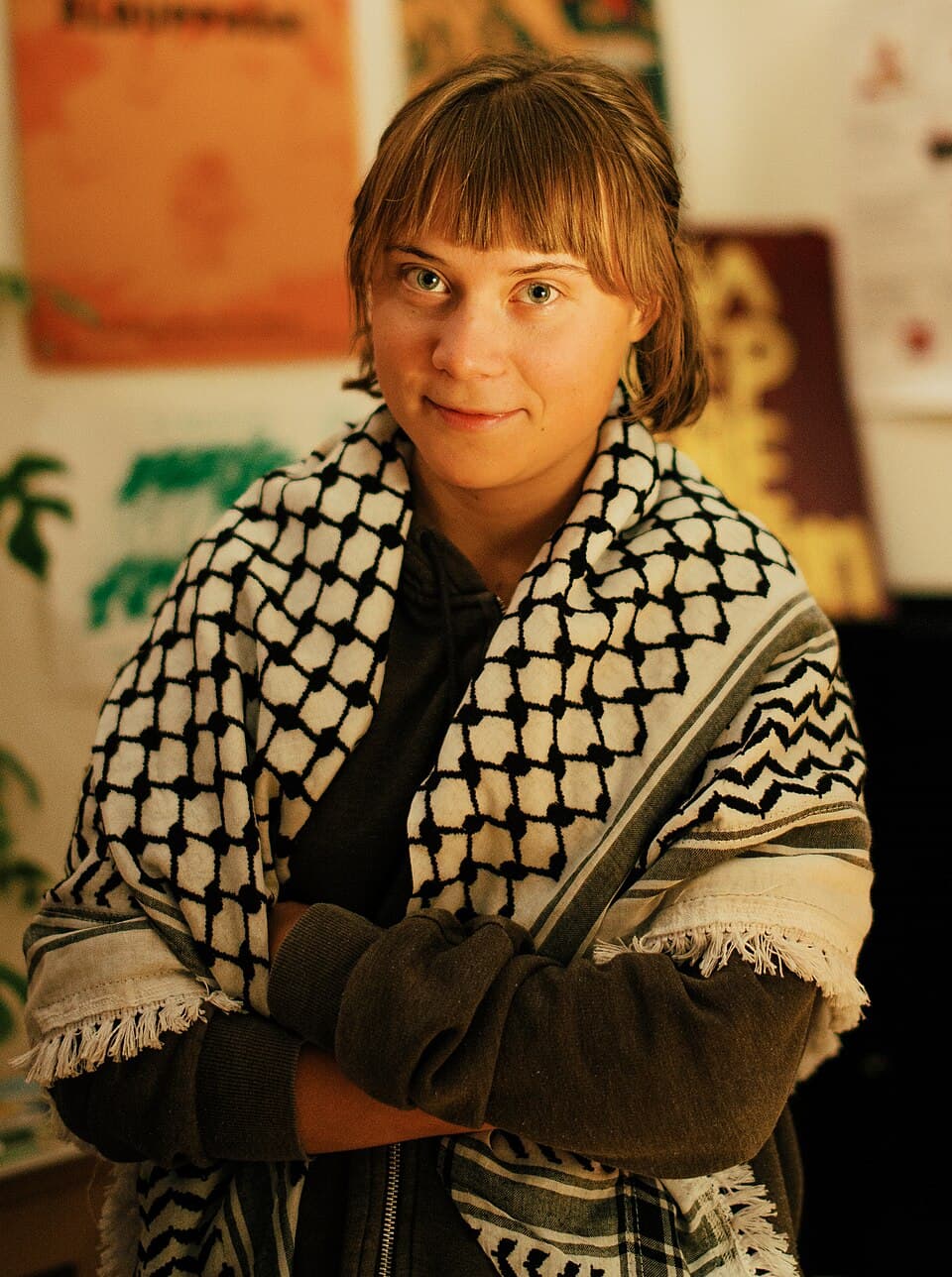
Activist · Kingdom of Hungary
Elie Wiesel
Elie Wiesel (1928–2016) was a Romanian-born American writer, Holocaust survivor, professor, and human rights activist. He became internationally known for his memoir *Night*, which recounts his experiences in Nazi concentration camps during the Holocaust. Wiesel devoted much of his life to preserving the memory of Holocaust victims and speaking against hatred, racism, and persecution. In 1986, he received the Nobel Peace Prize for his efforts to defend human dignity and promote peace.
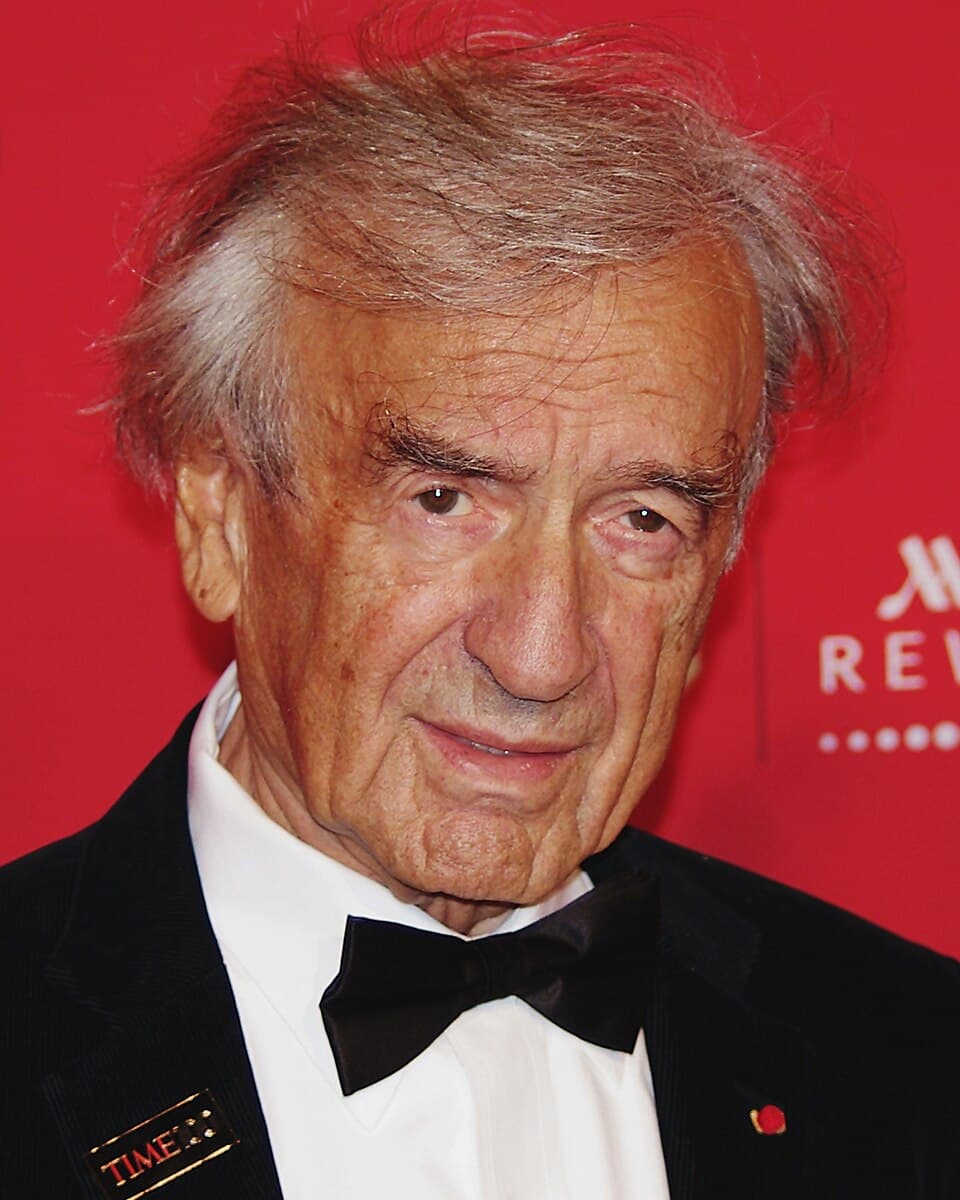 Wikimedia Commons
Elie Wiesel: Full Biography
Biography
Early Life and Family Background
Elie Wiesel was born Eliezer Wiesel on September 30, 1928, in Sighet, a town in the Kingdom of Romania that had a large Jewish population. He grew up in a religious Jewish family in which faith, education, and community life played important roles.
His father, Shlomo Wiesel, was a shopkeeper who valued learning and encouraged his children to understand the wider world. His mother, Sarah Feig, supported the family's religious and cultural traditions. Elie had three sisters: Hilda, Beatrice, and Tzipora.
From childhood, Wiesel showed a strong interest in Jewish religious studies. He studied Hebrew and sacred texts and was particularly drawn to Jewish mysticism. His early years were shaped by family life, religious education, and the close-knit Jewish community of Sighet.
Education and Religious Studies
Wiesel received a traditional Jewish education and devoted considerable time to studying the Torah, Talmud, and other religious writings. He initially hoped to deepen his understanding of Jewish spirituality.
His intellectual interests later expanded to literature, philosophy, and questions about suffering, faith, and human responsibility. These subjects became central to his writing after the Holocaust.
The persecution he experienced during World War II profoundly changed his relationship with religion and influenced his lifelong reflections on the existence of evil and the responsibility of individuals and societies.
The Holocaust and Nazi Persecution
During World War II, Nazi Germany and its collaborators carried out the systematic persecution and murder of European Jews. In 1944, when Wiesel was 15, German forces occupied Hungary, which then controlled northern Transylvania, including Sighet.
Jewish families in the area were subjected to increasingly severe restrictions and forced into ghettos. In May 1944, Wiesel and his family were deported to Auschwitz-Birkenau, the Nazi concentration and extermination camp complex in occupied Poland.
Upon arrival, Wiesel and his father were separated from his mother and younger sister, Tzipora. He never saw them again. His two older sisters, Hilda and Beatrice, survived the Holocaust.
Experiences in Auschwitz and Buchenwald
Wiesel endured starvation, forced labor, violence, and the constant threat of death in Nazi camps. He and his father were eventually transferred from Auschwitz to Buna, a forced-labor camp associated with the Auschwitz complex.
As Soviet forces advanced, the Nazis evacuated prisoners from the camps. In January 1945, Wiesel and his father were forced on a brutal evacuation journey and eventually arrived at Buchenwald concentration camp in Germany.
His father became severely ill and died in January 1945, shortly before the camp was liberated. Wiesel was left alone after losing his parents and younger sister to the Holocaust.
The experiences of deportation, family separation, extreme suffering, and survival shaped the central themes of his later writing.
Liberation and Life After the War
American forces liberated Buchenwald on April 11, 1945. Wiesel was among the surviving prisoners, but he faced the difficult task of rebuilding his life after the destruction of his family and community.
He was sent to France with other orphaned Jewish children. There, he received care and education and gradually returned to intellectual life.
For years, Wiesel found it difficult to speak publicly about his Holocaust experiences. Eventually, he began to write about them, believing that the testimony of survivors was essential to preserving historical memory.
Beginning a Career in Journalism
After the war, Wiesel pursued education and began working as a journalist. He wrote in several languages and developed a career that connected literature, political commentary, and historical testimony.
He worked as a correspondent and reported on international affairs. His journalism brought him into contact with political leaders, intellectuals, and survivors of persecution.
Through his reporting, Wiesel increasingly focused on the consequences of hatred, the dangers of indifference, and the responsibility of the international community to protect vulnerable people.
Writing Night
Wiesel's most famous work is Night, a memoir based on his experiences during the Holocaust. The book was first published in Yiddish in 1956 in a longer form and later appeared in a shortened French edition in 1958. An English translation followed in 1960.
Night describes his deportation, imprisonment, suffering, and loss of faith amid the horrors of Nazi persecution. Its restrained and direct style conveys the devastating effects of systematic violence on individuals and families.
The memoir became one of the most widely read accounts of the Holocaust. It has been translated into numerous languages and is frequently studied in schools and universities.
Although the book is deeply personal, it also serves as testimony to the millions of Jewish people murdered by Nazi Germany and its collaborators.
Literary Career and Major Works
Wiesel wrote more than 40 books, including novels, essays, memoirs, and works of religious and philosophical reflection.
His works frequently explore memory, suffering, faith, silence, responsibility, and the moral consequences of persecution. He sought to give a voice to victims whose experiences might otherwise be forgotten.
Among his notable books are Dawn, The Accident, The Town Beyond the Wall, The Gates of the Forest, and All Rivers Run to the Sea, his memoir covering his life and intellectual development.
His literary work established him as one of the most influential writers to address the Holocaust and its continuing significance.
Life in the United States
Wiesel moved to the United States in 1956 after being injured in an accident in New York City while reporting as a journalist. He eventually settled in the country and became an American citizen.
The United States provided a setting for his expanding work as a writer, lecturer, and advocate for human rights. He frequently addressed universities, religious organizations, and public gatherings.
Although he built a life in America, his identity remained closely connected to his Jewish heritage, his experiences in Europe, and his determination to remember those who had perished in the Holocaust.
Marriage and Family
In 1969, Wiesel married Marion Erster Rose, an Austrian-born Holocaust survivor and translator. She later translated some of his works into English and supported his literary and humanitarian activities.
Their son, Shlomo Elisha Wiesel, was born in 1972. Family life provided Wiesel with an important source of companionship and continuity after the losses he had suffered during the Holocaust.
Wiesel and his wife also collaborated in efforts to preserve Holocaust memory and support educational initiatives.
Teaching and Academic Career
Wiesel became an influential teacher and public intellectual. He held academic positions and lectured on literature, philosophy, Jewish thought, and the Holocaust.
He served as the Andrew W. Mellon Professor in the Humanities at Boston University, where he helped establish the Elie Wiesel Center for Jewish Studies.
Through his teaching, he encouraged students to confront difficult historical questions and consider the ethical responsibilities that arise from witnessing injustice.
He believed that education could help prevent future atrocities by challenging prejudice and promoting historical understanding.
Nobel Peace Prize in 1986
In 1986, Wiesel received the Nobel Peace Prize in recognition of his efforts to defend human dignity and promote peace.
The Nobel Committee praised his work as a witness to the Holocaust and his opposition to violence, repression, and racism. The award brought further international attention to his campaigns against indifference and persecution.
During his acceptance speech, Wiesel emphasized the moral obligation to speak up when people are suffering. His message reflected his belief that silence in the face of injustice can help allow oppression to continue.
The prize recognized not only his literary achievements but also his decades of humanitarian advocacy.
Human Rights Activism
Wiesel used his international reputation to advocate for people suffering under oppression. He spoke against antisemitism, racism, apartheid, and other forms of discrimination.
He also raised concerns about political prisoners and victims of mass violence. His public interventions reflected his belief that the lessons of the Holocaust should be applied to contemporary crises rather than confined to historical remembrance.
Wiesel argued that human rights required active commitment. Remembering past atrocities, he believed, was inseparable from responding to suffering in the present.
Founding the Elie Wiesel Foundation
Wiesel and his wife helped establish the Elie Wiesel Foundation for Humanity in 1986. The organization sought to combat indifference, intolerance, and injustice through education and public engagement.
The foundation supported initiatives designed to encourage ethical leadership and promote understanding among different communities.
Its mission reflected Wiesel's conviction that societies must teach younger generations about the consequences of hatred and the importance of human dignity.
United States Holocaust Memorial Museum
Wiesel played a major role in the creation of the United States Holocaust Memorial Museum in Washington, D.C. He served as chairman of the President's Commission on the Holocaust, which helped develop plans for a national memorial and educational institution.
The museum opened in 1993 and became a major center for Holocaust remembrance, historical research, and education.
Wiesel believed that museums, archives, survivor testimony, and educational programs were essential to ensuring that future generations understood what happened during the Holocaust.
Speaking Against Indifference
One of Wiesel's most enduring themes was the danger of indifference. He argued that people must not ignore suffering simply because it occurs far away or affects communities different from their own.
For Wiesel, remembering the Holocaust was not only an act of respect for the dead. It was also a call to action against present-day hatred and injustice.
He frequently encouraged people to defend those who were vulnerable, challenge prejudice, and refuse to accept cruelty as an unavoidable part of human life.
Controversies and Complexities
Wiesel was widely admired for his moral leadership, but his public positions were not beyond criticism. Some commentators questioned aspects of his responses to particular international conflicts and political crises.
These debates reflect the challenges faced by public figures who seek to apply moral principles to complicated political situations. Wiesel maintained that the memory of the Holocaust carried a continuing obligation to defend human dignity and oppose persecution.
His legacy is therefore discussed both in terms of his humanitarian achievements and the difficult questions surrounding public moral leadership.
Later Years
In his later years, Wiesel continued writing, teaching, and speaking about the Holocaust and human rights. He remained a prominent voice in international discussions about memory, tolerance, and the prevention of atrocities.
As he grew older, he devoted increasing attention to the importance of survivor testimony and the responsibility of future generations to preserve historical truth.
His work helped ensure that the experiences of Holocaust survivors remained central to public education and remembrance.
Death
Elie Wiesel died on July 2, 2016, at the age of 87, in Manhattan, New York City.
His death prompted tributes from political leaders, writers, educators, religious communities, and Holocaust survivors around the world. Many remembered him as a powerful witness to one of history's darkest periods and as a lifelong defender of human dignity.
His books, speeches, and educational efforts continue to influence discussions about antisemitism, genocide, memory, and moral responsibility.
Legacy and Historical Significance
Elie Wiesel's legacy rests on his ability to transform personal suffering into testimony and humanitarian action. Through Night and his other writings, he helped millions of readers understand the human consequences of the Holocaust.
His Nobel Peace Prize recognized a lifetime devoted to peace, human rights, and opposition to indifference. His educational work continues to shape how the Holocaust is taught and remembered.
Wiesel believed that memory was a moral responsibility. He urged people not only to remember victims but also to recognize the warning signs of hatred and act before discrimination develops into persecution or mass violence.
Conclusion
Elie Wiesel was a Holocaust survivor, celebrated author, educator, and human rights activist whose life was dedicated to remembrance and moral responsibility. His experiences in Nazi concentration camps profoundly shaped his writing and his commitment to protecting vulnerable people.
Through Night, his Nobel Peace Prize, and his decades of public advocacy, Wiesel helped preserve the memory of Holocaust victims and encouraged generations to resist hatred, intolerance, and indifference. His message remains an enduring call to defend human dignity and speak out against injustice.
Did you know?
- Elie Wiesel was 15 years old when he and his family were deported to Auschwitz-Birkenau in 1944. - His memoir *Night* was first published in Yiddish before appearing in French and English. - He received the Nobel Peace Prize in 1986 for his work as a Holocaust witness and advocate for human rights. - Wiesel helped guide the development of the United States Holocaust Memorial Museum in Washington, D.C. - He wrote more than 40 books during his lifetime. - His wife, Marion Wiesel, was also a Holocaust survivor and translated some of his writing into English. - Wiesel taught at Boston University and helped establish its Elie Wiesel Center for Jewish Studies. - His public message often emphasized that indifference to suffering can allow injustice to continue.