Activist · South Africa
Desmond Tutu
Desmond Tutu (1931–2021) was a South African Anglican bishop, theologian, and human rights activist who played a major role in the struggle against apartheid. Known for his commitment to nonviolence, racial equality, and reconciliation, he received the Nobel Peace Prize in 1984. After apartheid ended, he chaired South Africa’s Truth and Reconciliation Commission, helping the country confront the injustices of its past. He remains one of the most influential moral leaders of the 20th century.
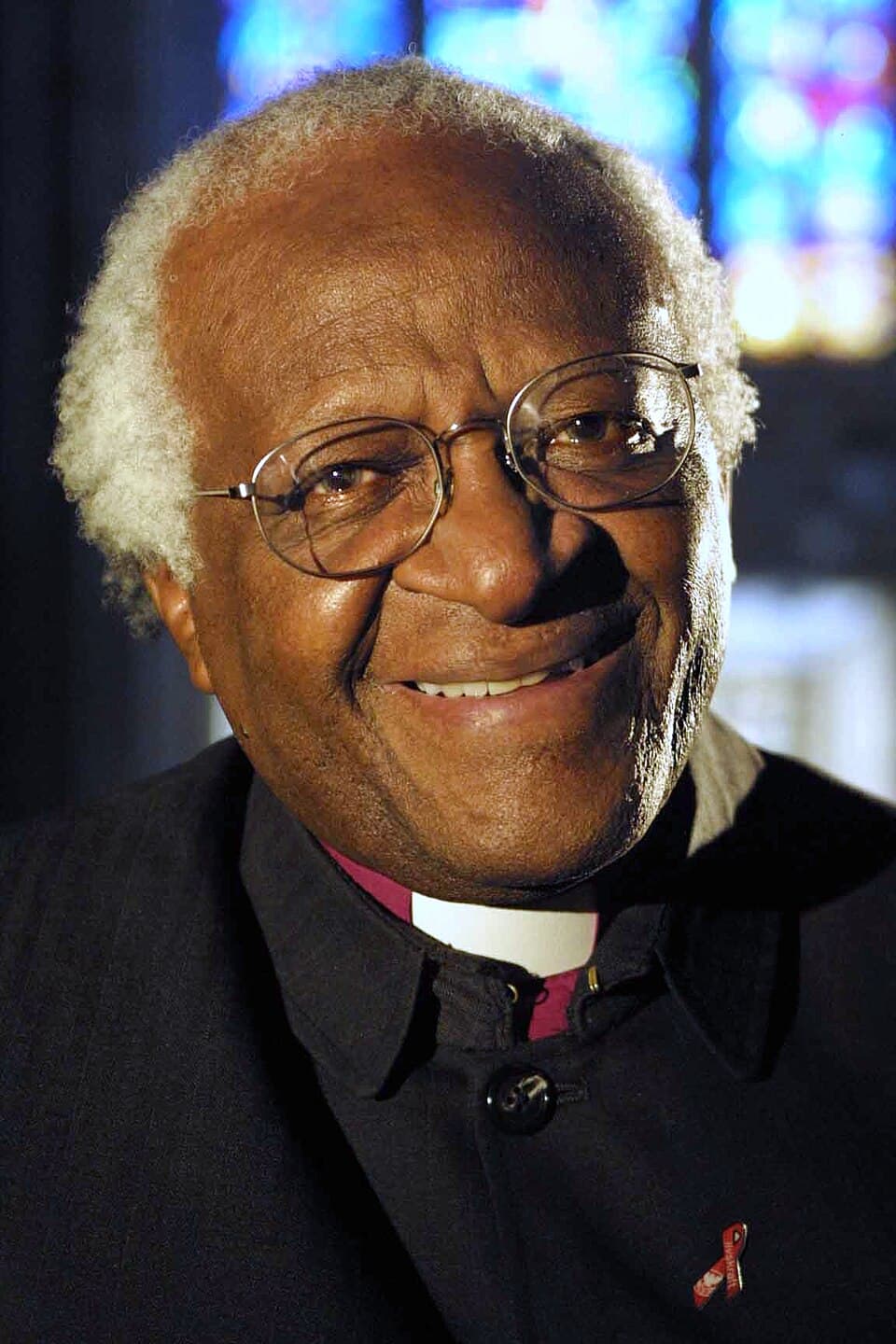 Wikimedia Commons
Desmond Tutu: Full Biography
Biography
Early Life and Family Background
Desmond Mpilo Tutu was born on October 7, 1931, in Klerksdorp, a town in what was then the Transvaal province of South Africa. He grew up during a period when racial segregation and discrimination deeply affected the lives of Black South Africans.
His father, Zachariah Tutu, worked as a teacher and his mother, Aletta, worked as a domestic worker. His family had limited financial resources, but they valued education, faith, and perseverance.
As a child, Tutu experienced the inequalities of South African society firsthand. These experiences helped shape his lifelong commitment to human dignity and racial justice.
Education and Early Career
Tutu initially trained as a teacher and worked in education. However, he became increasingly troubled by the racial discrimination embedded in South Africa’s education system, particularly the restrictions imposed on Black students.
In 1957, he left teaching in protest against the Bantu Education system, which provided unequal educational opportunities for Black South Africans.
He subsequently entered the Anglican ministry. He studied theology and continued his religious education in South Africa and England, including at King’s College London, where he earned a bachelor’s degree in theology in 1966 and a master’s degree in theology in 1967.
His studies broadened his understanding of Christianity, social justice, and the relationship between religion and political power.
Entry into the Anglican Church
Tutu was ordained as an Anglican priest in 1960. He served in several church positions and developed a reputation for his thoughtful preaching, intellectual ability, and concern for disadvantaged communities.
He believed that Christianity required people to oppose injustice rather than remain silent in the face of oppression. His religious convictions became the foundation of his activism.
Tutu later held academic and administrative positions, including serving as a lecturer and working with the World Council of Churches.
Opposition to Apartheid
Apartheid was the system of institutionalized racial segregation and white-minority rule imposed in South Africa. It restricted where Black people could live, work, study, and travel, while denying them equal political rights.
Tutu became one of the most prominent religious voices opposing apartheid. He criticized discriminatory laws, state violence, and the exclusion of the Black majority from political power.
Unlike advocates of armed struggle, Tutu strongly emphasized nonviolent resistance, public protest, international pressure, and moral persuasion. He argued that the apartheid government’s policies contradicted the Christian principles of equality and compassion.
His criticism was often outspoken, even when it exposed him to intimidation and threats.
Rise to National Prominence
Tutu’s leadership within the Anglican Church brought him increasing national and international recognition. In 1975, he became dean of St. Mary’s Cathedral in Johannesburg, becoming the first Black person to hold that position.
He later served as bishop of Lesotho and, in 1978, became the first Black general secretary of the South African Council of Churches.
In these roles, he helped churches support communities affected by apartheid. The council documented abuses, assisted people facing persecution, and promoted peaceful resistance.
Tutu used his influence to draw international attention to South Africa’s racial policies.
Nobel Peace Prize in 1984
In 1984, Tutu received the Nobel Peace Prize for his role in the nonviolent struggle against apartheid.
The award recognized his efforts to mobilize opposition to racial oppression and encourage a peaceful transition toward a democratic society.
The prize strengthened his international standing and helped increase global awareness of apartheid. Tutu called for international pressure, including economic measures, to persuade the South African government to end racial discrimination.
His Nobel recognition made him one of the most widely known advocates for freedom and equality in the world.
Archbishop of Cape Town
In 1986, Tutu became the first Black archbishop of Cape Town and the head of the Anglican Church of the Province of Southern Africa.
He used the position to challenge apartheid and defend the rights of oppressed communities. He also encouraged dialogue and reconciliation, maintaining that a just society could not be built on racial domination.
Although he condemned government repression, Tutu also criticized violence committed by anti-apartheid groups when he believed it threatened innocent lives or undermined democratic principles.
His approach combined moral clarity with a determination to prevent South Africa’s political conflict from becoming an endless cycle of revenge.
Relationship with Nelson Mandela
Tutu and Nelson Mandela became two of the most recognizable figures in South Africa’s struggle for democracy.
Mandela led the African National Congress and became the country’s first Black president in 1994. Tutu, through his religious leadership and international advocacy, helped build moral and diplomatic pressure against apartheid.
Their roles were different but complementary. Both emphasized the importance of moving beyond racial oppression, although they sometimes differed in their views and approaches to political questions.
Tutu welcomed Mandela’s release from prison in 1990 and celebrated the transition to democratic rule.
End of Apartheid and Democratic Transition
The late 1980s and early 1990s brought major political changes to South Africa. The government lifted restrictions on important opposition movements, released Mandela in 1990, and began negotiations over a new political system.
Tutu supported a peaceful transition and urged South Africans to reject racial hatred. The first fully democratic national election took place in April 1994, allowing citizens of all racial backgrounds to vote.
Mandela became president, marking a historic turning point in South African history. Tutu regarded the election as a major victory for equality and human dignity.
Truth and Reconciliation Commission
After apartheid ended, South Africa faced the difficult task of confronting decades of state-sponsored discrimination, political violence, and human rights abuses.
In 1995, the government established the Truth and Reconciliation Commission. Tutu was appointed its chairperson.
The commission investigated serious human rights violations committed during the apartheid era. It gathered testimony from victims, heard accounts from perpetrators, and offered a public process for acknowledging past abuses.
The commission could recommend amnesty for individuals who met specific legal requirements, including making full disclosure of politically motivated acts. Amnesty was not automatic.
Tutu often became emotional while listening to victims describe their suffering. He believed that acknowledging the truth was necessary for healing, but he also stressed that reconciliation did not mean forgetting injustice or excusing wrongdoing.
The commission’s work became an internationally influential example of transitional justice, although its approach and outcomes also attracted criticism.
Philosophy of Forgiveness and Reconciliation
Tutu’s public philosophy was deeply influenced by the African concept of ubuntu, often summarized as the idea that human beings are interconnected and that a person’s humanity is affirmed through relationships with others.
He believed that people could not build a peaceful future by denying the humanity of those who had harmed them. However, he did not equate forgiveness with avoiding accountability.
For Tutu, reconciliation required truth, acknowledgment of suffering, responsibility, and a willingness to create a more just society.
His views were expressed in his writing, sermons, public speeches, and international peacebuilding work.
Campaigns for Human Rights
After apartheid, Tutu continued to campaign for human rights around the world. He spoke against racism, poverty, discrimination, and abuses of political power.
He also supported the rights of women and LGBTQ+ people. His willingness to challenge discrimination beyond the South African context sometimes placed him at odds with religious and political leaders.
Tutu maintained that human dignity should not depend on a person’s race, nationality, gender, or sexual orientation.
International Peace and Social Justice
Tutu worked with international organizations and participated in efforts to promote peace and justice. He served as a prominent advocate for conflict resolution and supported campaigns addressing poverty, disease, and political oppression.
He criticized leaders and governments when he believed their actions violated human rights. His approach was not limited to one political party or country; he frequently argued that those in power should be held to the same moral standards as everyone else.
His international influence grew from his combination of religious conviction, public courage, humor, and compassion.
Personal Life
Desmond Tutu married Nomalizo Leah Shenxane in 1955. The couple had four children: Trevor, Thandeka, Naomi, and Mpho.
Leah Tutu supported her husband throughout his ministry and activism, while also pursuing her own work and public interests.
Despite his international reputation, Tutu was known for his warmth, lively humor, and ability to connect with ordinary people. He often used humor to make difficult moral and political subjects easier to discuss.
He also spoke openly about the emotional toll of witnessing suffering and the importance of family, faith, and community.
Books and Publications
Tutu wrote and contributed to several influential books about faith, forgiveness, justice, and reconciliation.
Among his best-known works are No Future Without Forgiveness (1999), which reflects on South Africa’s transition and the Truth and Reconciliation Commission, and God Has a Dream (2004), which presents his vision of a more compassionate and just world.
His writings helped bring his ideas to audiences beyond South Africa and encouraged discussion about the relationship between morality, politics, and peace.
Later Years and Retirement
Tutu retired as archbishop in 1996 but remained active in public life. He continued speaking on human rights, social justice, and ethical leadership.
In later years, he supported international campaigns and frequently criticized policies he considered unjust. He remained an influential public figure even as his health declined.
Tutu received numerous honors for his service, including international awards recognizing his contributions to peace, freedom, and humanitarian causes.
Death
Desmond Tutu died on December 26, 2021, in Cape Town, South Africa, at the age of 90.
His death prompted tributes from political leaders, religious communities, human rights organizations, and people around the world. Many remembered him as a courageous opponent of apartheid and a powerful advocate for reconciliation.
His funeral and memorial observances reflected the significance of his religious leadership and his contribution to South African democracy.
Legacy and Historical Significance
Desmond Tutu’s legacy extends far beyond his opposition to apartheid. He demonstrated how religious leadership could be used to challenge injustice, mobilize public opinion, and support peaceful political change.
His work with the Truth and Reconciliation Commission influenced international debates about how societies should address human rights abuses after conflict or authoritarian rule.
Supporters admire his courage, compassion, humor, and insistence on equal human dignity. Critics have questioned aspects of the reconciliation process and whether it delivered sufficient justice to victims. These debates form part of the continuing assessment of South Africa’s transition.
Nevertheless, Tutu remains a defining figure in the history of anti-apartheid activism and modern human rights advocacy.
Conclusion
Desmond Tutu devoted his life to challenging racial oppression and promoting equality, peace, and reconciliation. Through his work as a priest, bishop, archbishop, activist, and Nobel Peace Prize laureate, he helped expose apartheid’s injustices and encouraged South Africans to imagine a democratic future.
His message that justice must be joined with compassion continues to influence people working for human rights and peaceful change throughout the world.
Did you know?
- Desmond Tutu received the Nobel Peace Prize in 1984, ten years before South Africa held its first fully democratic national election. - He was the first Black person to become archbishop of Cape Town. - He popularized the idea of *ubuntu* as a powerful expression of human interconnectedness and shared dignity. - He chaired South Africa’s Truth and Reconciliation Commission, which investigated human rights abuses committed during apartheid. - Tutu was known for using humor and laughter even when speaking about serious political and moral issues. - He was a vocal supporter of LGBTQ+ rights, arguing that discrimination was incompatible with human dignity. - His book *No Future Without Forgiveness* explores the difficult relationship between truth, accountability, and reconciliation after apartheid.