Actress · France
Brigitte Bardot
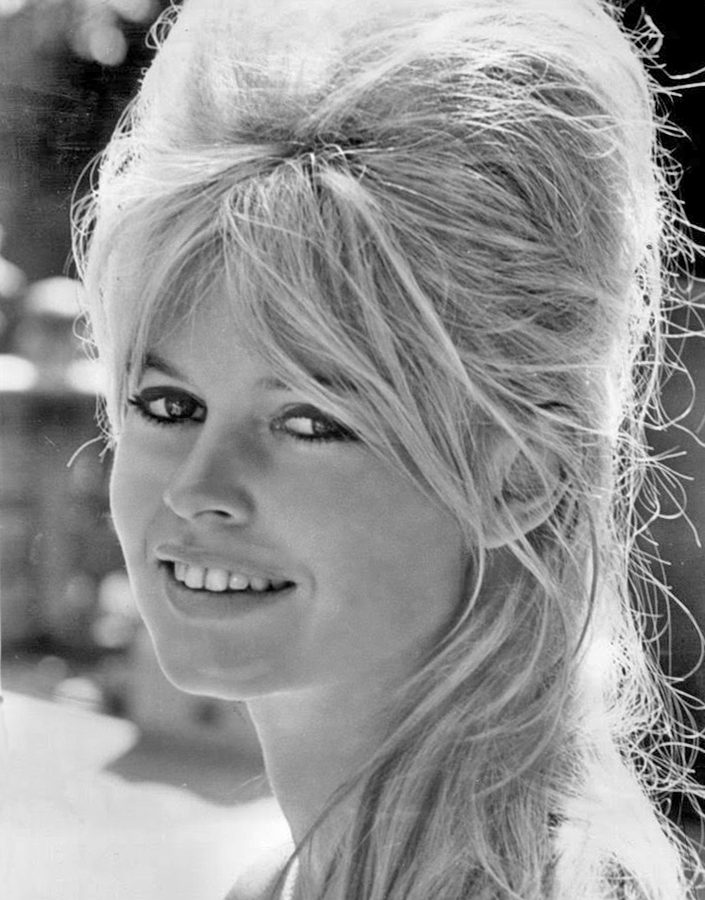
Brigitte Bardot was a French actress, singer, fashion model, and animal rights activist born on September 28, 1934, in Paris, France. She became an international film star during the 1950s and 1960s, particularly after starring in *And God Created Woman* (1956). Known worldwide by her initials “B.B.,” she also appeared in acclaimed films such as *The Truth*, *Contempt*, and *Viva Maria!* Bardot retired from acting in 1973 and devoted much of the rest of her life to animal protection. She founded the Brigitte Bardot Foundation to support animal welfare. She died on December 28, 2025, at the age of 91 in Saint-Tropez, France.
 Wikimedia Commons
Brigitte Bardot: Full Biography, Movies, Career, and Personal Life
Biography
1. Introduction
Brigitte Bardot was a French actress, singer, fashion model, and animal rights activist who became one of the most recognizable figures in international cinema. Known by her initials B.B., she rose to worldwide fame during the 1950s and 1960s. After retiring from acting, she dedicated much of her life to protecting animals and supporting animal welfare initiatives.
2. Birth and Early Life
Brigitte Anne-Marie Bardot was born on September 28, 1934, in Paris, France. She grew up in a comfortable Parisian household and received an education that included music and dance. Her early artistic interests helped prepare her for a future in modeling, cinema, and music.
3. Family Background
Bardot's parents were Louis Bardot, an engineer and businessman, and Anne-Marie Mucel. She grew up with her younger sister, Mijanou Bardot, who also pursued acting. Her family encouraged discipline and artistic development during her childhood.
4. Childhood and Ballet Training
As a child, Bardot studied classical ballet and developed an interest in performing arts. She trained at the Conservatoire de Paris, where she worked on her dance technique. Ballet helped develop her posture, movement, and confidence, qualities that later contributed to her distinctive screen presence.
5. Early Modeling Career
Bardot began modeling as a teenager. In 1949, she appeared on the cover of the French magazine Elle, attracting attention for her appearance and youthful style. Modeling introduced her to photographers, designers, and people working in the entertainment industry.
6. Discovery and Entry into Cinema
Bardot's modeling work helped open the door to acting opportunities. She met filmmaker Roger Vadim, who became an important figure in her early personal and professional life. Through auditions and early screen appearances, she began building a career in French cinema.
7. Film Debut in 1952
Bardot made her film debut in Le Trou normand (1952), released internationally under the title Crazy for Love. She appeared in additional French productions during the early 1950s, gaining experience and becoming increasingly familiar to cinema audiences.
8. Early Film Roles
During the first years of her acting career, Bardot appeared in films including Manina, the Girl in the Bikini (1952) and Doctor at Sea (1955). These projects helped establish her as a rising screen performer before her international breakthrough.
9. Marriage to Roger Vadim
Bardot married Roger Vadim in 1952. Vadim was a filmmaker who later directed several notable productions. Their relationship connected her personal life with her professional development, although they divorced in 1957. They continued to share a significant place in the history of her early career.
10. International Breakthrough with And God Created Woman
Bardot became an international sensation with And God Created Woman (1956), directed by Roger Vadim. She played Juliette, a young woman whose independence and romantic choices challenge the expectations of the society around her. The film attracted international attention and established Bardot as a major star.
11. Influence on Fashion and Popular Culture
Bardot's image became influential in fashion and popular culture. Her tousled hair, natural makeup, casual clothing, and distinctive style inspired trends that remained recognizable for decades. The term "Bardot neckline" became associated with a wide, open neckline that exposes the shoulders.
12. A Symbol of Changing Social Attitudes
During the 1950s and 1960s, Bardot became associated with changing ideas about femininity, personal freedom, and women's representation in cinema. Her screen characters often challenged conventional expectations of female behavior. Her fame made her a frequent subject of cultural commentary and public debate.
13. The Truth
In 1960, Bardot starred in The Truth (La Vérité), directed by Henri-Georges Clouzot. She played Dominique Marceau, a young woman whose personal relationships become the focus of a criminal trial. The film is regarded as one of her most significant dramatic performances.
14. Critical Recognition
Bardot's performance in The Truth demonstrated that her abilities extended beyond her public image as a glamorous film star. In 1961, she received the David di Donatello Award for Best Foreign Actress for her work in the film. The role helped strengthen her reputation as a serious performer.
15. Contempt
Bardot appeared in Jean-Luc Godard's Contempt (Le Mépris) in 1963. She played Camille Javal in a drama about marriage, ambition, and the film industry. The movie later became an important work in discussions of European art cinema and remains one of Bardot's most celebrated films.
16. Viva Maria!
In 1965, Bardot starred alongside Jeanne Moreau in Viva Maria!, directed by Louis Malle. Set in a fictional Central American country, the adventure comedy follows two women who become involved in political rebellion. Bardot's performance contributed to the film's international appeal, and she received a BAFTA nomination for Best Foreign Actress.
17. Other Notable Films
Bardot appeared in a variety of French and international productions, including A Very Private Affair (1962), Dear Brigitte (1965), Shalako (1968), and The Bear and the Doll (1970). Her filmography included romantic comedies, dramas, adventures, and satirical works.
18. Music Career
Alongside acting, Bardot developed a career as a singer. She recorded French pop songs and participated in musical productions during the 1960s and early 1970s. Her recordings became another part of her celebrity identity and expanded her influence beyond the film industry.
19. Collaboration with Serge Gainsbourg
Bardot collaborated with French singer-songwriter Serge Gainsbourg on several musical recordings. Their work included the song "Bonnie and Clyde," inspired by the notorious American criminal couple. Their collaboration remains a notable part of the history of French popular music.
20. Songs and Musical Legacy
Bardot recorded numerous songs, including "La Madrague," which became closely associated with her public image and her life on the French Riviera. Her musical work reflected the changing sounds of French popular culture during the 1960s and helped establish her as more than a film actress.
21. The Marianne Symbol
Bardot's features helped inspire representations of Marianne, the symbolic female figure representing the French Republic. Marianne appears in French public art and official imagery as a symbol of liberty and the nation. Bardot's association with the figure reflected her status as a prominent cultural icon in France.
22. Retirement from Acting
In 1973, Bardot announced her retirement from acting at the age of 39. After appearing in dozens of films, she decided to leave the entertainment industry behind. She increasingly focused on animal protection, seeking a different purpose beyond celebrity life.
23. Commitment to Animal Welfare
Bardot became an outspoken advocate for animal welfare. She campaigned against cruelty to animals, including practices involving seal hunting, animal testing, and the treatment of animals in commercial industries. Her public profile helped bring greater attention to several animal protection campaigns.
24. The Brigitte Bardot Foundation
In 1986, Bardot founded the Brigitte Bardot Foundation in France. The organization works to protect domestic and wild animals, support rescue operations, improve animal welfare, and promote stronger protections through public awareness and legal advocacy. It became the central institution associated with her later life's work.
25. Campaign Against Seal Hunting
Bardot drew international attention to the killing of young seals in Canada. In 1977, she traveled to the ice floes to highlight the issue and encourage public opposition to the practice. Her campaign became one of the most widely recognized episodes of her animal rights activism.
26. Animal Protection Initiatives
Through her foundation and public campaigning, Bardot supported efforts to combat animal abandonment, cruelty, and exploitation. Her advocacy addressed issues involving pets, farm animals, wildlife, and animals used for entertainment. Her work helped maintain public attention on animal welfare over several decades.
27. Personal Life and Marriages
Bardot married four times. Her husbands were filmmaker Roger Vadim, actor Jacques Charrier, German businessman Gunter Sachs, and Bernard d'Ormale. Her relationships attracted significant media attention, reflecting the intense public interest in her personal life throughout her years as a celebrity.
28. Son and Family Life
Bardot had one child, Nicolas-Jacques Charrier, with her second husband, Jacques Charrier. Their relationship was complicated, and Bardot spoke publicly about the difficulties she experienced with motherhood and the pressures of fame. Her family life remained a private and sometimes contentious part of her biography.
29. Life in Saint-Tropez
Bardot became closely associated with Saint-Tropez, a town on the French Riviera. She spent much of her later life there, particularly at her home, La Madrague. Away from the demands of film production, she devoted much of her time to animal welfare and her foundation.
30. Political Views and Public Controversies
Bardot became a controversial public figure because of her political statements, particularly her comments about immigration, Islam, and French identity. French courts fined her on multiple occasions for statements judged to incite racial hatred. These controversies complicated public assessments of her legacy, placing her animal advocacy alongside criticism of her remarks and political associations.
31. Awards and Honors
Bardot received several distinctions during her career, including the David di Donatello Award for Best Foreign Actress for The Truth. In 1985, she was awarded the French Legion of Honour. Her cultural influence also extended beyond formal awards, as she became one of the most recognizable symbols of French cinema in the twentieth century.
32. Books and Autobiographical Writing
Bardot wrote about her life and experiences in autobiographical works, including Initiales B.B. Her writing discussed fame, relationships, her departure from acting, and her commitment to animal welfare. Her books offered her own perspective on the experiences that shaped her public life.
33. Influence on Cinema
Bardot's performances helped change the portrayal of women in postwar European cinema. Her screen image challenged traditional ideas about female sexuality and independence. Filmmakers, fashion designers, photographers, and cultural commentators continued to discuss her influence long after her retirement.
34. Influence on Fashion
Bardot's style became a reference point for fashion designers and beauty trends. Her hair, casual clothing, ballet-inspired looks, and shoulder-baring necklines were widely imitated. The enduring popularity of the Bardot neckline illustrates how her personal style became part of fashion vocabulary.
35. Later Years and Public Life
In her later years, Bardot largely withdrew from public appearances and concentrated on animal protection. Although she no longer acted in films, her name continued to attract attention because of her earlier cinematic achievements, activism, and controversial public statements.
36. Death
Brigitte Bardot died on December 28, 2025, in Saint-Tropez, France, at the age of 91. Her death marked the end of a life that had moved from international film stardom to decades of animal rights advocacy. Tributes highlighted both her cultural influence and her commitment to animal welfare.
37. Legacy and Cultural Impact
Bardot left a lasting mark on French cinema, international fashion, and popular music. Her film performances influenced the representation of women on screen, while her later activism made animal protection the defining cause of her post-acting life. Her legacy remains complex because of both her cultural contributions and the controversies surrounding her political statements.
38. Conclusion
Brigitte Bardot's life encompassed several distinct roles: actress, singer, model, fashion icon, and animal rights activist. Her breakthrough in And God Created Woman made her an international star, while films such as The Truth, Contempt, and Viva Maria! established her place in cinema history. After retiring in 1973, she devoted herself to animal welfare through her foundation and public campaigns. She remains a significant and debated figure in twentieth-century French cultural history.
Did you know?
1. Brigitte Bardot was born in Paris on September 28, 1934. 2. Her international breakthrough came with the 1956 film *And God Created Woman*. 3. She studied classical ballet before becoming a model and actress. 4. She collaborated musically with French singer-songwriter Serge Gainsbourg. 5. She retired from acting in 1973, at the age of 39. 6. She founded the Brigitte Bardot Foundation in 1986 to support animal welfare. 7. Her style helped popularize the Bardot neckline, a wide neckline that exposes the shoulders. 8. She died in Saint-Tropez on December 28, 2025, aged 91.