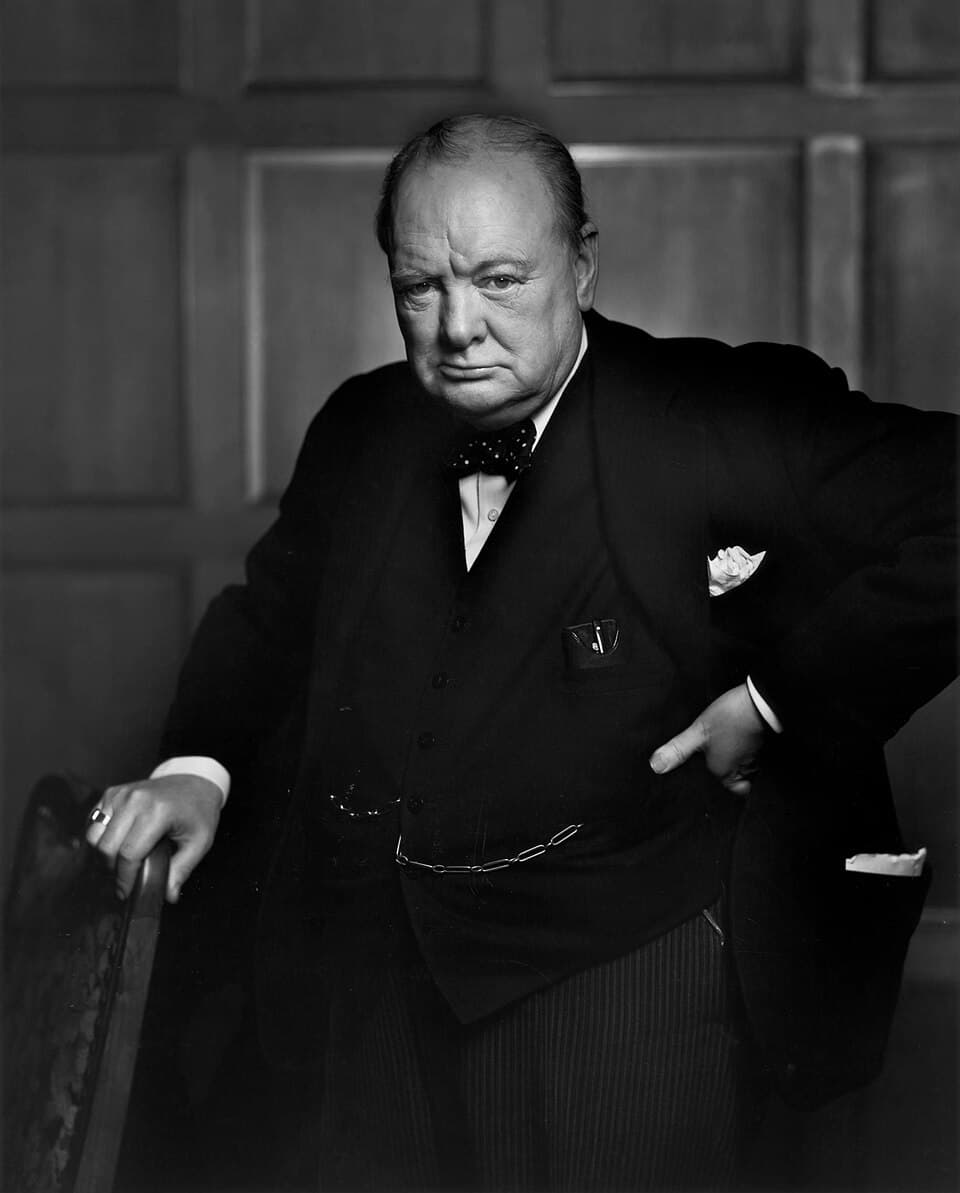
Jurist and statesman · British Raj
B. R. Ambedkar
Bhimrao Ramji Ambedkar (1891–1956), popularly known as Babasaheb Ambedkar, was an Indian jurist, economist, social reformer, political leader, and scholar. He played a central role in drafting the Constitution of India as Chairman of its Drafting Committee and served as independent India's first Law Minister. He was also a prominent advocate for social equality, civil rights, and the rights of historically marginalized communities.
 Wikimedia Commons
Selected bibliography
| Year | Work |
|---|---|
| 1925 | The Evolution of Provincial Finance in British India |
| 1936 | Annihilation of Caste |
| 1948 | Maharashtra as a Linguistic Province |
| 1957 | The Buddha and His Dhamma |
| 1990 | Waiting for a Visa |
| — | Castes in India: Their Mechanism, Genesis and Development |
| — | Who Were the Shudras? |
| — | The Rise and Fall of Hindu Women |
| — | Federation Versus Freedom |
| — | Communal Deadlock and a way to Solve it |
| — | Dr. Babasaheb Ambedkar Writings and Speeches |
Biography
Bhimrao Ramji Ambedkar was born on 14 April 1891 in Mhow, in present-day Madhya Pradesh, into a Dalit family. Despite facing caste-based discrimination during his early life, he pursued higher education and became one of the most highly educated Indian leaders of his generation.
Ambedkar studied at Elphinstone College in Bombay before receiving support from the Maharaja of Baroda to study abroad. He attended Columbia University, where he earned a master's degree in 1915 and a PhD in economics in 1927. He also studied at the London School of Economics and trained in law at Gray's Inn. His education strongly influenced his later work on economics, law, democracy, and social equality.
After returning to India, Ambedkar became an important leader in movements against caste discrimination and social exclusion. He organized campaigns for the rights of Dalits, including the 1927 Mahad Satyagraha, which challenged restrictions preventing members of oppressed castes from accessing public water. He also founded and edited newspapers and wrote extensively about caste, political representation, and social reform.
Ambedkar represented the interests of the Depressed Classes at the Round Table Conferences in London. In 1932, he and Mahatma Gandhi became parties to the Poona Pact, which replaced the separate-electorate arrangement for the Depressed Classes under the Communal Award with reserved seats within a joint electorate. Ambedkar continued to advocate political, educational, and social safeguards for marginalized communities.
Following India's independence in 1947, Ambedkar became the country's first Law Minister and was appointed Chairman of the Drafting Committee of the Constituent Assembly. He played a major role in the preparation and presentation of the Constitution, which was adopted by the Constituent Assembly on 26 November 1949 and came into force on 26 January 1950.
Ambedkar also advocated reforms concerning women's rights, labor conditions, political representation, and economic policy. He resigned from the Union Cabinet in 1951 after disagreements over the progress of the Hindu Code Bill. His major writings include Annihilation of Caste, The Problem of the Rupee, Who Were the Shudras?, and The Buddha and His Dhamma.
On 14 October 1956, Ambedkar converted to Buddhism at Nagpur along with a large gathering of followers. He died on 6 December 1956 in Delhi. His intellectual and political legacy continues to influence discussions of constitutionalism, social justice, equality, and the rights of marginalized communities in India.
Did you know?
Did you know? B. R. Ambedkar earned his PhD in Economics from Columbia University in 1927 and later received an honorary doctorate from the university in 1952.