Actress · United Kingdom
Audrey Hepburn
Audrey Hepburn was a British actress, fashion icon, and humanitarian born on May 4, 1929, in Brussels, Belgium. She became one of the most celebrated actresses of Hollywood's Golden Age through films such as *Roman Holiday*, *Breakfast at Tiffany's*, *Sabrina*, *My Fair Lady*, and *Funny Face*. She won the Academy Award for Best Actress for *Roman Holiday* in 1954 and earned recognition for her elegance, acting talent, and timeless fashion style. In the later years of her life, Hepburn dedicated herself to helping vulnerable children worldwide as a UNICEF Goodwill Ambassador from 1988 to 1993. She died on January 20, 1993, in Tolochenaz, Switzerland, at the age of 63.
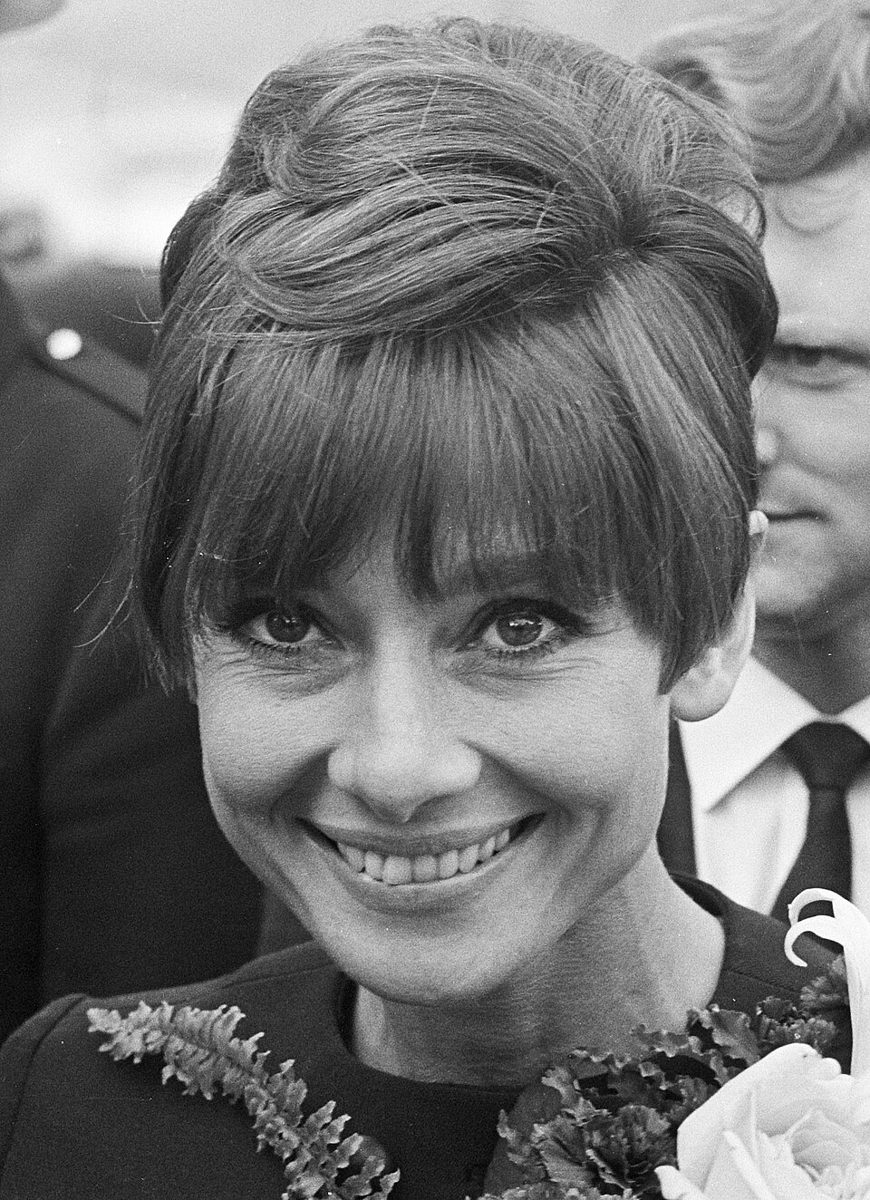 Wikimedia Commons
Audrey Hepburn: Full Biography, Movies, Awards, and Humanitarian Work
Biography
1. Introduction
Audrey Hepburn was a British actress and humanitarian whose elegance, talent, and compassion made her one of the most admired figures in entertainment history. She became internationally famous during the 1950s and 1960s through classic films such as Roman Holiday, Sabrina, and Breakfast at Tiffany's. Beyond her acting career, she devoted her later years to helping children affected by poverty, hunger, and conflict through UNICEF.
2. Birth and Early Life
Audrey Kathleen Ruston was born on May 4, 1929, in Brussels, Belgium. She later became professionally known as Audrey Hepburn. Her early childhood involved living in different European countries, and her experiences during the Second World War profoundly influenced her outlook on life.
3. Family Background
Hepburn was the daughter of Joseph Victor Anthony Ruston, a British father, and Ella van Heemstra, a Dutch mother from an aristocratic family. Her parents' different backgrounds exposed her to several European cultures. Her father left the family when she was young, an experience that affected her emotionally throughout her life.
4. Childhood in Europe
During her childhood, Hepburn lived in Belgium, England, and the Netherlands. She attended school in England before spending much of her wartime youth in the Netherlands. These experiences helped shape her cultural awareness and her ability to speak multiple languages.
5. Life During the Second World War
Hepburn lived in the Netherlands during the German occupation in the Second World War. The conflict brought severe hardship, food shortages, and fear to the region. Her experiences during this period left a lasting impression on her and later influenced her commitment to humanitarian work.
6. Experience of Hunger During Wartime
During the final stages of the war, Hepburn experienced severe food shortages. After liberation, she received assistance that helped people recover from the effects of conflict and malnutrition. She later remembered the relief provided to children after the war and connected these experiences to her work with UNICEF.
7. Education and Ballet Training
Hepburn studied ballet from a young age and hoped to become a professional ballerina. She received training in the Netherlands and later continued her studies in London. Although she eventually moved away from ballet, the discipline influenced her posture, movement, and graceful screen presence.
8. Early Interest in Performing Arts
Hepburn initially concentrated on dance rather than acting. She developed an appreciation for performance through ballet classes and stage-related opportunities. Over time, however, her natural presence and screen appeal led her toward modeling and acting.
9. Beginning a Modeling Career
After the war, Hepburn worked as a model to support herself while continuing to pursue performing opportunities. Modeling introduced her to photographers and people in the entertainment industry. Her distinctive appearance and elegant manner helped her attract attention.
10. First Film Appearances
Hepburn began appearing in films in the late 1940s and early 1950s. Her early work included small roles in European productions, such as Dutch in Seven Lessons (1948). These experiences gave her practical knowledge of film production and helped her develop confidence in front of the camera.
11. Broadway Debut with Gigi
In 1951, French author Colette noticed Hepburn and selected her to play the title character in the Broadway production of Gigi. The stage adaptation became an important turning point in her career. Her performance attracted attention and helped establish her as a promising young actress.
12. Breakthrough with Roman Holiday
Hepburn achieved international fame with Roman Holiday (1953), in which she starred opposite Gregory Peck. She portrayed Princess Ann, a royal who escapes her official responsibilities to explore Rome. The romantic comedy became a major success and showcased her charm, humor, and emotional range.
13. Academy Award for Roman Holiday
In 1954, Hepburn won the Academy Award for Best Actress for Roman Holiday. The award established her as a leading Hollywood star. She also received a BAFTA Award and a Golden Globe Award for the performance, marking an extraordinary beginning to her international film career.
14. Sabrina
In 1954, Hepburn starred in Sabrina, directed by Billy Wilder and featuring Humphrey Bogart and William Holden. She played Sabrina Fairchild, a chauffeur's daughter who returns from Paris transformed by her experiences. The film strengthened her reputation for portraying sophisticated, independent, and romantic characters.
15. Fashion Influence and Hubert de Givenchy
Hepburn developed a lasting professional and personal friendship with French fashion designer Hubert de Givenchy. His designs helped shape her recognizable style in films and public appearances. Their collaboration contributed to her reputation as a fashion icon, and many of the looks associated with her remain influential.
16. Funny Face
Hepburn starred opposite Fred Astaire in Funny Face (1957), a musical romantic comedy set in the fashion world. She played Jo Stockton, a bookstore employee who becomes a model. The film combined her acting, dance training, and fashion appeal, making it one of her best-known musical performances.
17. Love in the Afternoon
In 1957, Hepburn appeared in Love in the Afternoon, directed by Billy Wilder and co-starring Gary Cooper and Maurice Chevalier. She played Ariane Chavasse, a young woman caught up in a complicated romantic relationship. The film further established her as a leading actress in romantic comedies.
18. The Nun's Story
Hepburn delivered a serious dramatic performance in The Nun's Story (1959), directed by Fred Zinnemann. She portrayed Gabrielle van der Mal, a Belgian woman who enters a religious order and struggles with the demands of her vocation. Her performance earned an Academy Award nomination and demonstrated her ability to handle demanding dramatic roles.
19. Green Mansions
In 1959, Hepburn starred in Green Mansions, an adventure romance featuring Anthony Perkins. Although the film did not achieve the same recognition as some of her other productions, it formed part of her diverse filmography during the late 1950s.
20. Breakfast at Tiffany's
One of Hepburn's most famous performances came in Breakfast at Tiffany's (1961). She played Holly Golightly, a socially ambitious young woman living in New York City. The film became a cultural landmark, and her portrayal of Holly remains closely associated with her career.
21. The Little Black Dress
Hepburn's appearance in Breakfast at Tiffany's, particularly the black dress designed by Givenchy, became one of the most recognizable images in fashion history. The outfit helped popularize the little black dress as a timeless wardrobe staple. Her understated elegance continues to influence designers and fashion enthusiasts.
22. The Children's Hour
In 1961, Hepburn starred alongside Shirley MacLaine and James Garner in The Children's Hour, directed by William Wyler. The drama explored the damaging consequences of a false accusation at a girls' school. It demonstrated Hepburn's willingness to participate in films dealing with serious social subjects.
23. Charade
Hepburn appeared opposite Cary Grant in the 1963 romantic mystery thriller Charade. She played Regina Lampert, a woman drawn into a dangerous mystery after her husband's death. The film blended suspense, romance, and comedy and remains one of her most popular screen performances.
24. My Fair Lady
In 1964, Hepburn starred as Eliza Doolittle in the musical film My Fair Lady, based on the stage musical adapted from George Bernard Shaw's play Pygmalion. Her character is a flower seller who receives speech training in an attempt to enter high society. The production became a major cinematic event and received multiple Academy Awards.
25. Controversy Surrounding My Fair Lady
Hepburn's performance in My Fair Lady attracted attention partly because her singing voice was largely replaced by that of professional singer Marni Nixon. The decision generated discussion about the production's casting and musical presentation. Nevertheless, Hepburn's acting and screen presence remained important elements of the film.
26. How to Steal a Million
In 1966, Hepburn starred with Peter O'Toole in How to Steal a Million, a comedy about art forgery and an elaborate museum robbery. She played Nicole Bonnet, who seeks help from a charming burglar. The film showcased her talent for lighthearted comedy and stylish screen performances.
27. Two for the Road
Hepburn starred opposite Albert Finney in Two for the Road (1967), a drama examining the changing relationship of a married couple through different stages of their life together. The film used a non-linear narrative and explored love, disappointment, and personal growth. Her performance demonstrated a more mature approach to romantic drama.
28. Wait Until Dark
In 1967, Hepburn starred in the thriller Wait Until Dark, playing Susy Hendrix, a blind woman threatened by criminals searching for a hidden object. Her intense performance earned another Academy Award nomination. The film is widely remembered for its suspense and for Hepburn's ability to carry a demanding thriller.
29. Marriage to Mel Ferrer
Hepburn married actor and director Mel Ferrer in 1954. They worked together professionally, including on the film War and Peace (1956). Their marriage lasted until 1968, and they had one son, Sean Hepburn Ferrer.
30. Family and Motherhood
Hepburn deeply valued her role as a mother. She had two sons, Sean with Mel Ferrer and Luca Dotti with her second husband, Italian psychiatrist Andrea Dotti. Following years of intensive work in the film industry, she increasingly prioritized family life and sought greater privacy.
31. Marriage to Andrea Dotti
Hepburn married Andrea Dotti in 1969. The couple had a son, Luca, in 1970. Although the marriage later ended in divorce, her time in Italy reflected her desire to build a quieter life away from the constant demands of Hollywood.
32. Stepping Back from Hollywood
During the late 1960s and early 1970s, Hepburn reduced her acting workload. She wanted to devote more time to raising her children and living outside the spotlight. Although she appeared in a smaller number of films, she remained a respected figure in the entertainment industry.
33. Robin and Marian
Hepburn returned to a prominent film role in Robin and Marian (1976), opposite Sean Connery. She played Maid Marian in a story portraying Robin Hood and Marian later in life. The film explored aging, love, and the passage of time through a more reflective approach to the traditional legend.
34. Bloodline
In 1979, Hepburn starred in Bloodline, a thriller based on a novel by Sidney Sheldon. She portrayed Elizabeth Roffe, a woman involved in a dangerous struggle over a pharmaceutical business. The production represented one of her later major theatrical film appearances.
35. They All Laughed
Hepburn appeared in Peter Bogdanovich's romantic comedy They All Laughed (1981). The film followed private investigators whose professional assignments become complicated by their personal relationships. It was among the last major film projects of her career.
36. Final Screen Appearance in Always
Hepburn made her final film appearance in Steven Spielberg's Always (1989). She played Hap, an angelic figure who appears to a pilot in a romantic fantasy drama. Although the role was brief, it provided a memorable closing chapter to her acting career.
37. Becoming a UNICEF Goodwill Ambassador
In 1988, Hepburn became a UNICEF Goodwill Ambassador. Her own experience of hunger and hardship during the Second World War helped motivate her commitment to supporting vulnerable children. She used her international recognition to bring public attention to humanitarian emergencies and the needs of children.
38. Humanitarian Missions Around the World
Hepburn traveled to countries affected by poverty, famine, disease, and conflict. Her UNICEF missions included visits to Ethiopia, Turkey, Venezuela, Ecuador, Guatemala, Honduras, Bangladesh, Thailand, Vietnam, Sudan, and Somalia. She met children and families, visited relief programs, and spoke to international audiences about their needs.
39. Visit to Bangladesh
In 1989, Hepburn visited Bangladesh as part of her UNICEF work. She observed programs supporting children's education, health, clean water, and vaccination. Her visit helped draw international attention to the importance of improving living conditions and opportunities for children in the country.
40. Advocacy for Children's Rights
Hepburn spoke publicly about children's rights and the importance of access to food, healthcare, education, and protection from harm. She participated in international events and helped communicate the challenges faced by children living in difficult circumstances. Her work made humanitarian advocacy a central part of her later public life.
41. Presidential Medal of Freedom
In 1992, Hepburn received the Presidential Medal of Freedom, the highest civilian honor in the United States, in recognition of her humanitarian contributions. Even while seriously ill, she continued to support UNICEF and advocate for children. The award recognized the significance of her work beyond the film industry.
42. Awards and Achievements
Hepburn received numerous awards during her career. Her honors included an Academy Award for Best Actress for Roman Holiday, a Tony Award for her Broadway performance in Ondine, an Emmy Award, a Grammy Award, and multiple BAFTA and Golden Globe awards. In 1993, she received the Jean Hersholt Humanitarian Award posthumously for her humanitarian work.
43. Audrey Hepburn as a Fashion Icon
Hepburn's influence on fashion has continued long after her death. Her collaboration with Givenchy, simple silhouettes, cropped trousers, ballet flats, and understated accessories became defining elements of her style. Her image remains a reference point for classic elegance and minimalist fashion.
44. Personality and Public Image
Hepburn was widely admired for her grace, warmth, and understated presence. Despite international fame, she often preferred a relatively private life and focused on her family and humanitarian responsibilities. Her public image combined cinematic elegance with a strong commitment to helping others.
45. Illness and Final Years
In late 1992, Hepburn became seriously ill after developing cancer. Despite her condition, she continued to support humanitarian work and made efforts to fulfill her commitments. Her final months were spent largely with family in Switzerland.
46. Death
Audrey Hepburn died on January 20, 1993, at her home in Tolochenaz, Switzerland, at the age of 63. Her death was widely mourned by fans, colleagues, and humanitarian organizations. Tributes recognized both her achievements as an actress and her dedication to children in need.
47. Legacy in Cinema
Hepburn's films remain popular with audiences around the world. Roman Holiday, Sabrina, Breakfast at Tiffany's, Charade, and My Fair Lady continue to feature prominently in discussions of classic cinema. Her performances combined emotional sensitivity, comedy, and a distinctive screen presence.
48. Humanitarian Legacy
Hepburn's humanitarian work remains an important part of her legacy. Through UNICEF, she helped raise awareness of children's needs and humanitarian crises across several continents. Her work inspired continued efforts to preserve her commitment to children's rights and welfare.
49. Cultural Influence
Hepburn influenced film, fashion, photography, and popular culture. Her image has appeared in books, exhibitions, documentaries, and retrospectives celebrating classic Hollywood. Her enduring appeal reflects not only her beauty and style but also the connection many people feel with her performances and humanitarian values.
50. Conclusion
Audrey Hepburn's life brought together artistic achievement and humanitarian service. From winning an Academy Award for Roman Holiday to becoming a beloved fashion icon and UNICEF Goodwill Ambassador, she made a lasting impact on cinema and society. Her films continue to inspire new generations, while her dedication to vulnerable children remains a defining part of her legacy.
Did you know?
1. Audrey Hepburn won the Academy Award for Best Actress for *Roman Holiday* in 1954. 2. She trained as a ballet dancer before becoming a successful actress. 3. Her iconic black dress in *Breakfast at Tiffany's* helped establish a lasting fashion trend. 4. She won a Tony Award for her performance in the Broadway play *Ondine*. 5. She became a UNICEF Goodwill Ambassador in 1988 and visited children in countries around the world, including Bangladesh. 6. Her difficult experiences during the Second World War influenced her later humanitarian work. 7. She received the Presidential Medal of Freedom in 1992. 8. She received the Jean Hersholt Humanitarian Award posthumously in 1993.